Does a Wall in Utah Need a Vapor Barrier?
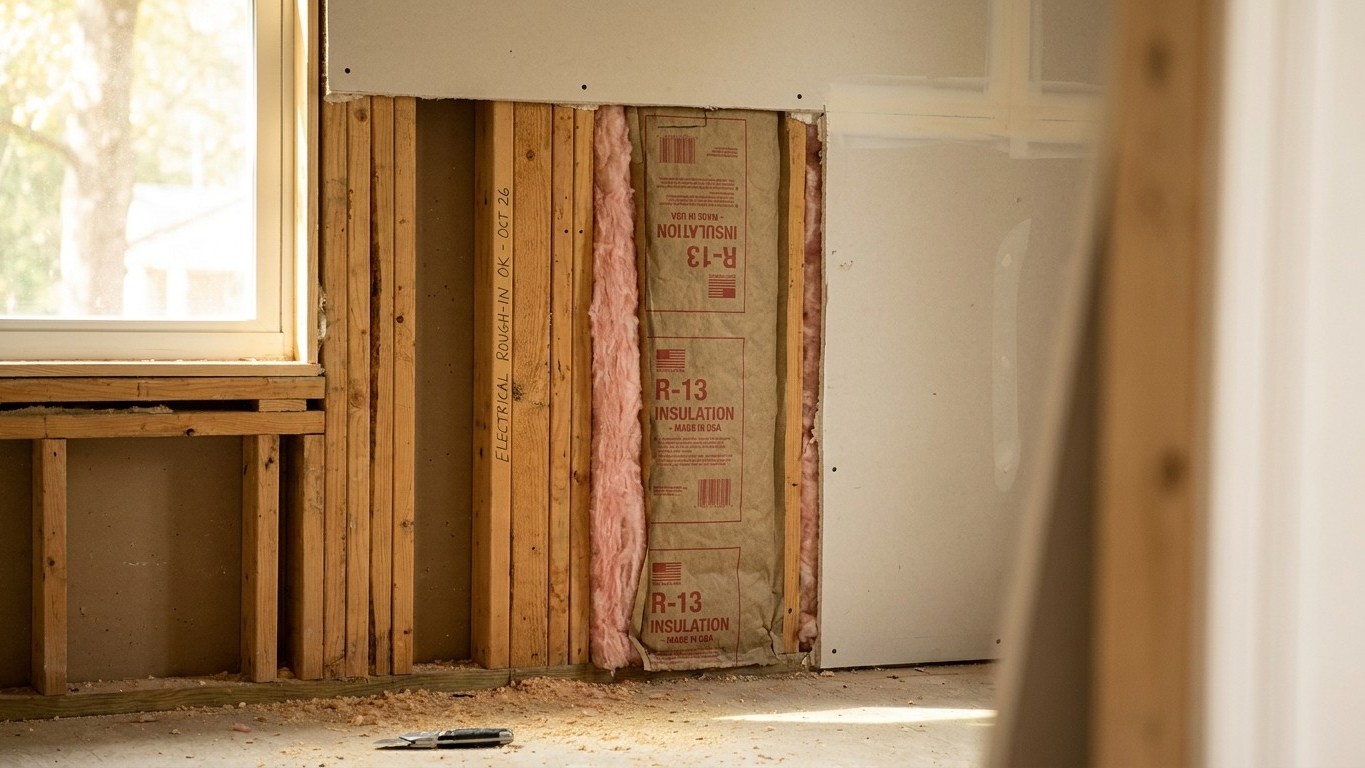
Utah spans three IECC climate zones across its 29 counties: Zone 5B covers 21 counties, Zone 6B covers 7, and Zone 3B covers just 1.
Home and garden notes, season by season
Everything we have worked out for Utah: what to plant and when, which varieties finish in time, the pests that actually turn up here, and the jobs that pay off month by month. We also cover the rest of the property, from lawns and soil to home care and energy, because a garden rarely stops at the vegetable bed.
The numbers first, because everything else follows from them. Measured at the weather station in Salt Lake City, the last spring freeze runs April 12 to April 29 and the first fall freeze runs October 18 to October 29, USDA zones 4a-9a, 3,551 growing degree days in the year.
Garlic does well: 26.1 weeks below 40 °F, comfortably past the six it needs to form a proper head.
Elsewhere on the property in Utah: the pests that turn up here.
Figures from NOAA's 1991-2020 climate normals. A state is not one climate: elevation, a large lake or the coast can move these dates by two weeks either way, so check your own county with the extension service before you spend money.
Utah spans three IECC climate zones across its 29 counties: Zone 5B covers 21 counties, Zone 6B covers 7, and Zone 3B covers just 1.
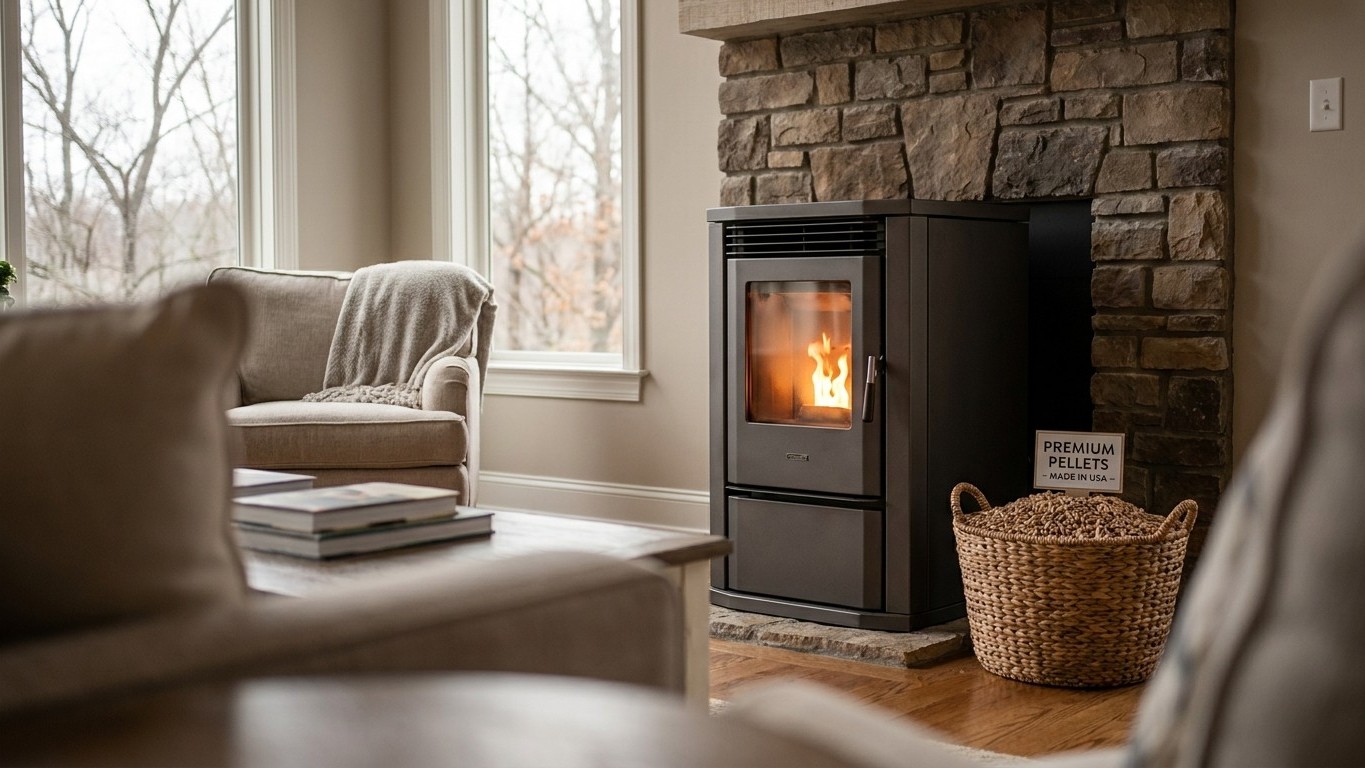
Salt Lake City logs about 5,154 heating degree days a year, and that single number does most of the work in deciding whether a pellet stove here runs as…
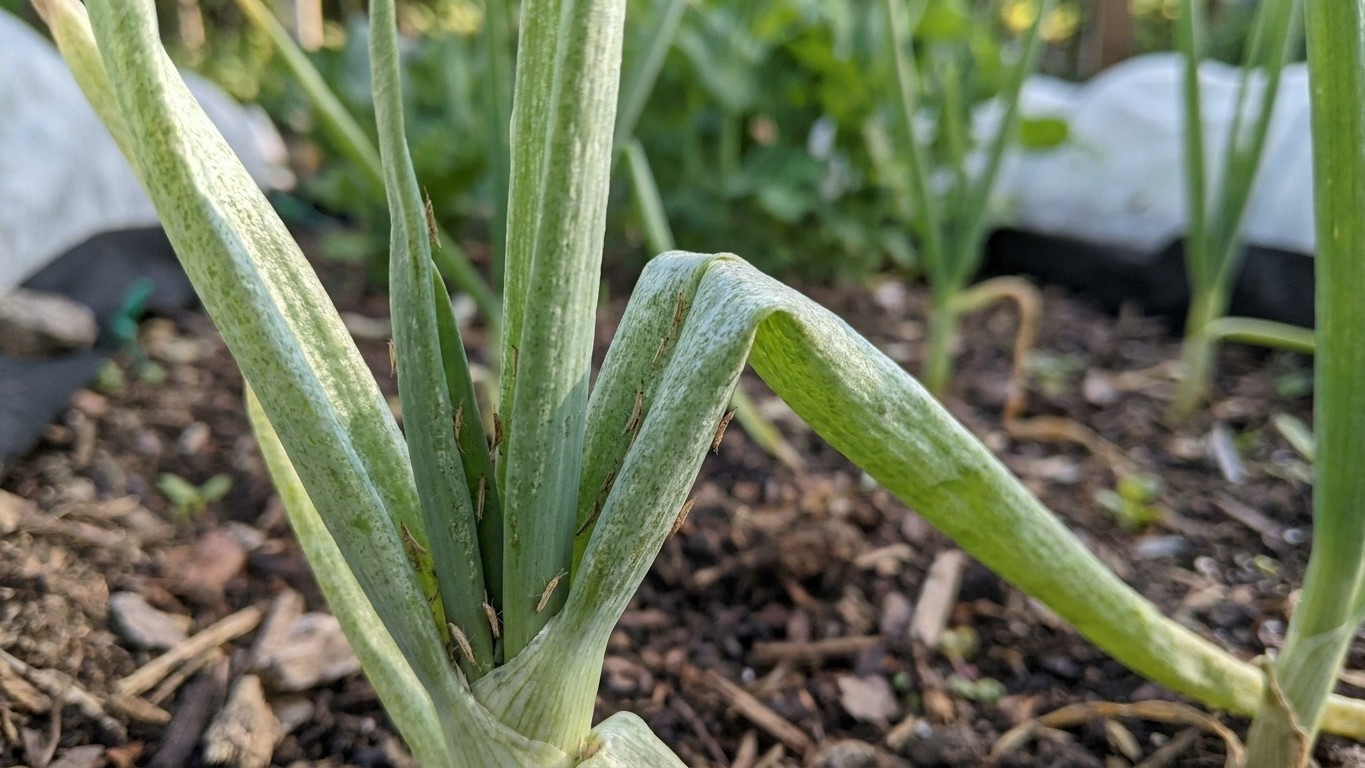
Onion thrips show up in Utah gardens as soil and air temperatures climb into the mid-60s°F, usually somewhere between late April and early June depending…
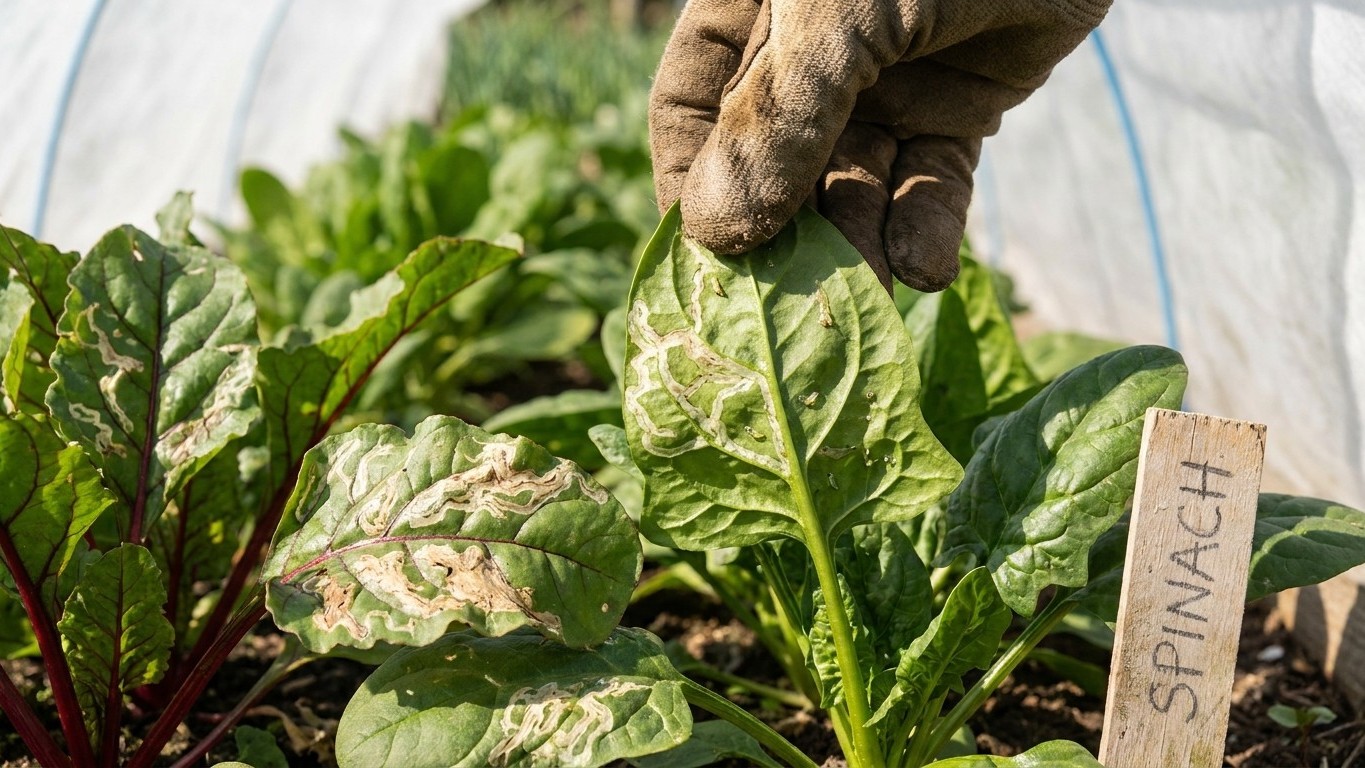
Leafminer flies show up in Utah gardens once soil warms in spring, laying eggs on spinach, beet, and chard leaves within weeks of transplanting.
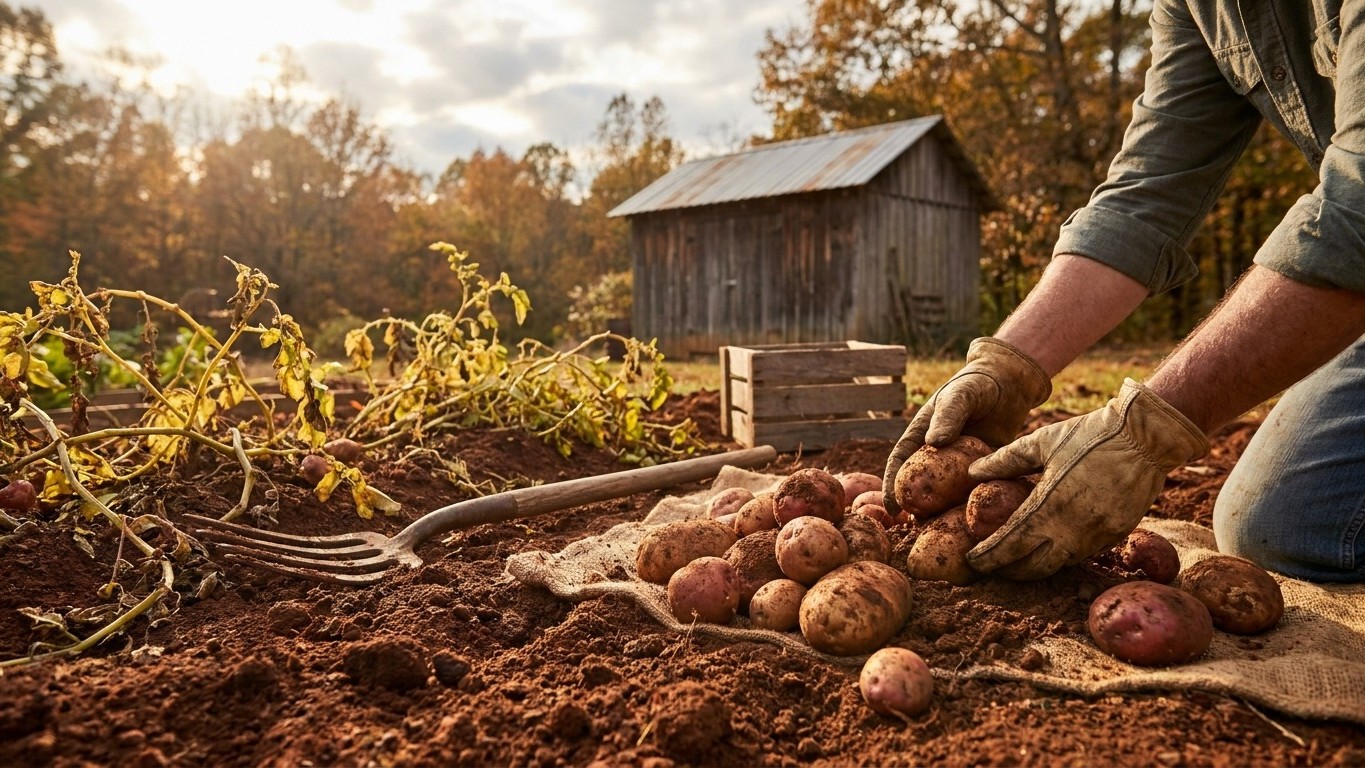
In most of Utah, potatoes come out of the ground before the first fall frost hits, sometime between October 18 and October 29 in the Salt Lake valley…
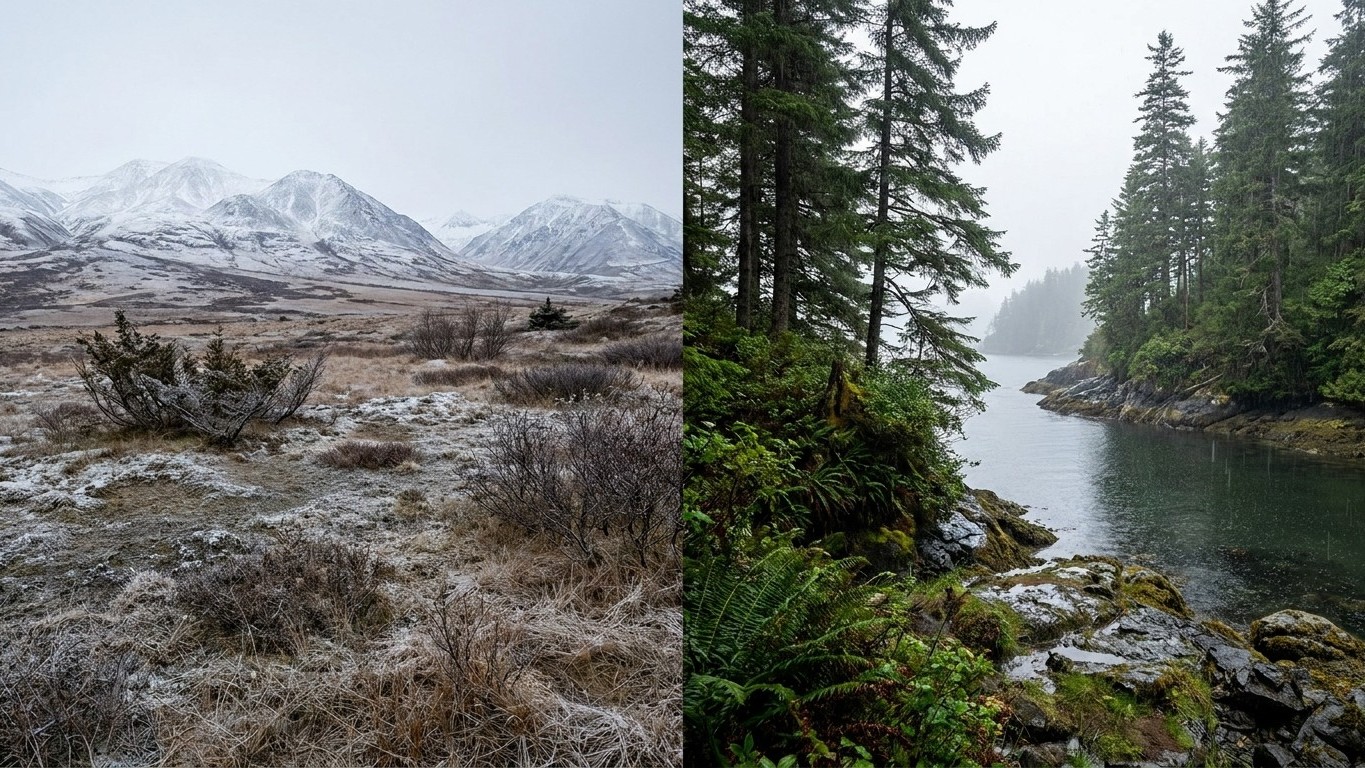
Utah’s hardiness range runs from USDA zone 4a in the high mountain valleys to 9a in the low desert basins near St. George.
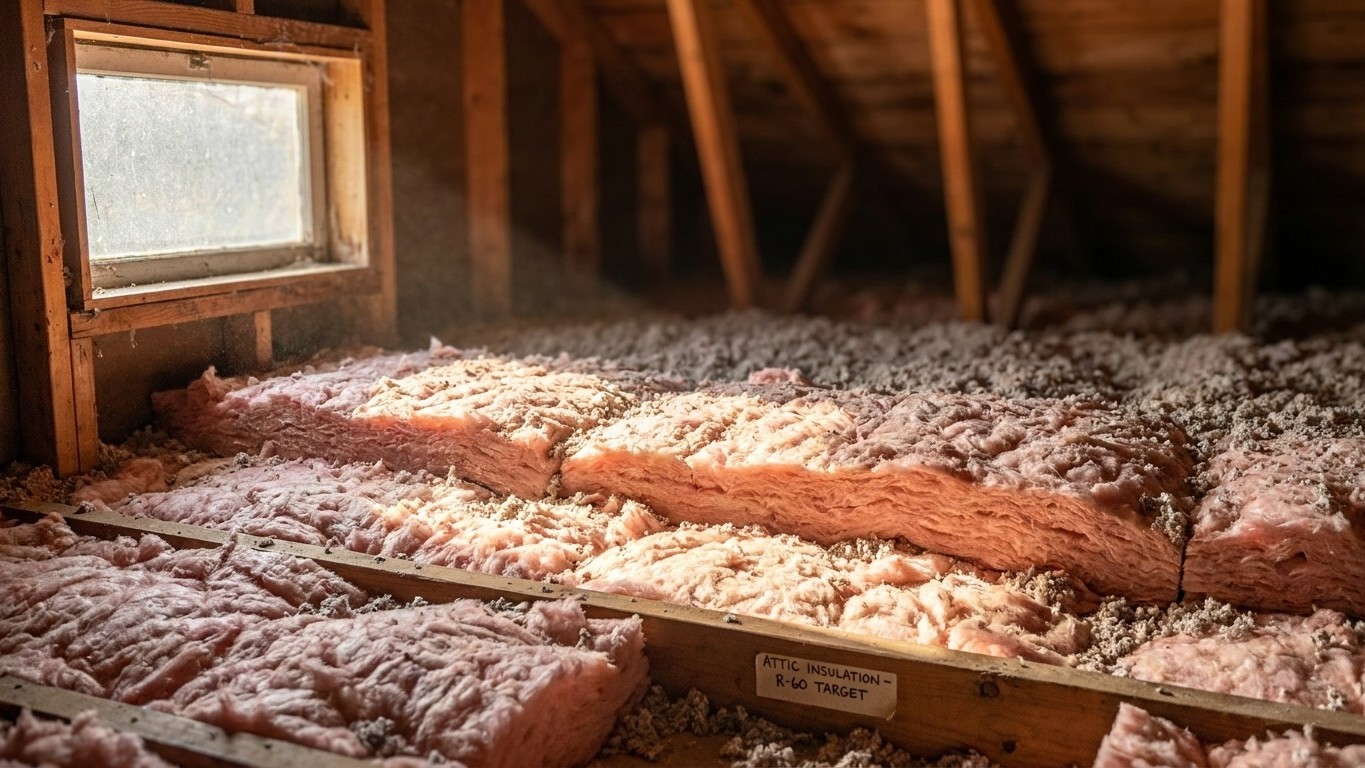
Utah has no single insulation number because it doesn’t sit in a single climate zone.

September gives Utah homeowners the closest thing to a break between the furnace and the air conditioner, but calling it a shutdown window overstates…
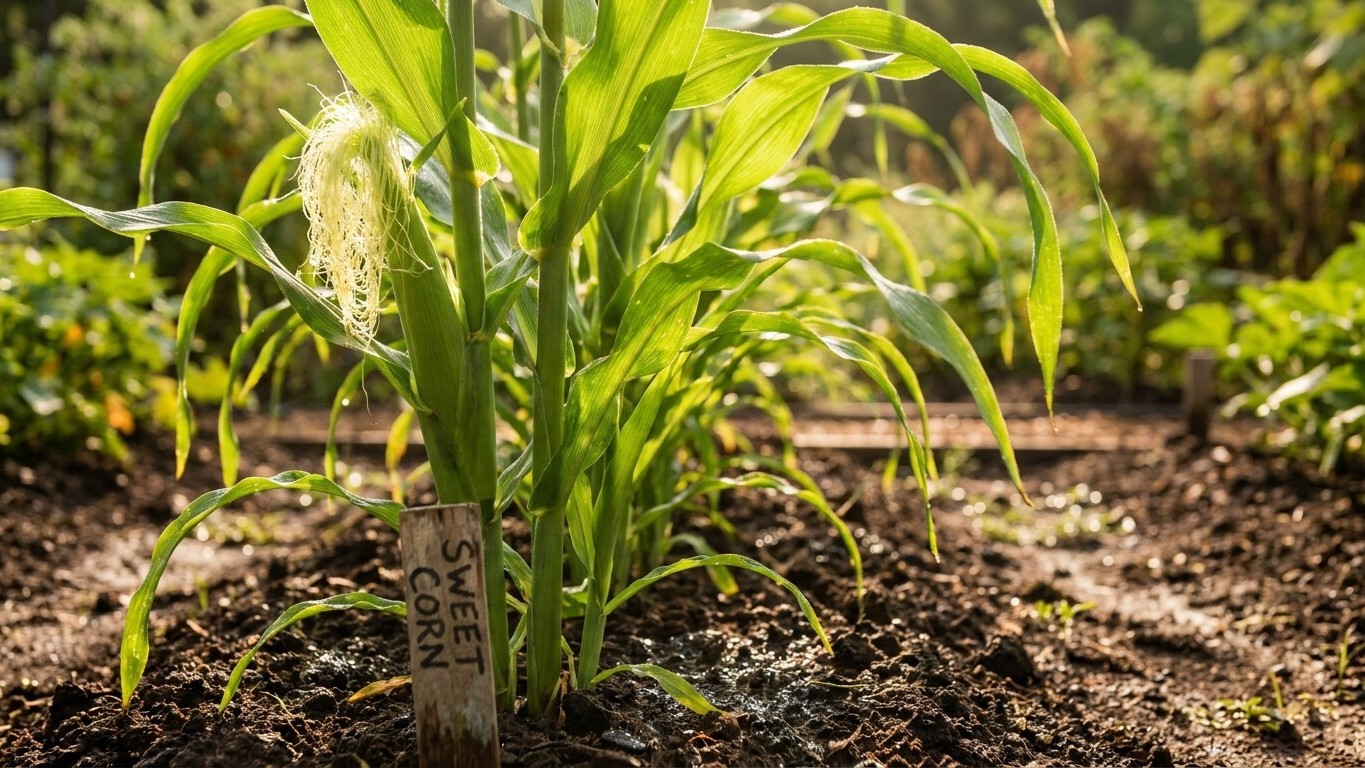
Yes, sweet corn can ripen in Utah, but the growing season here is shorter than most gardeners assume once soil temperature is factored in, not just air…
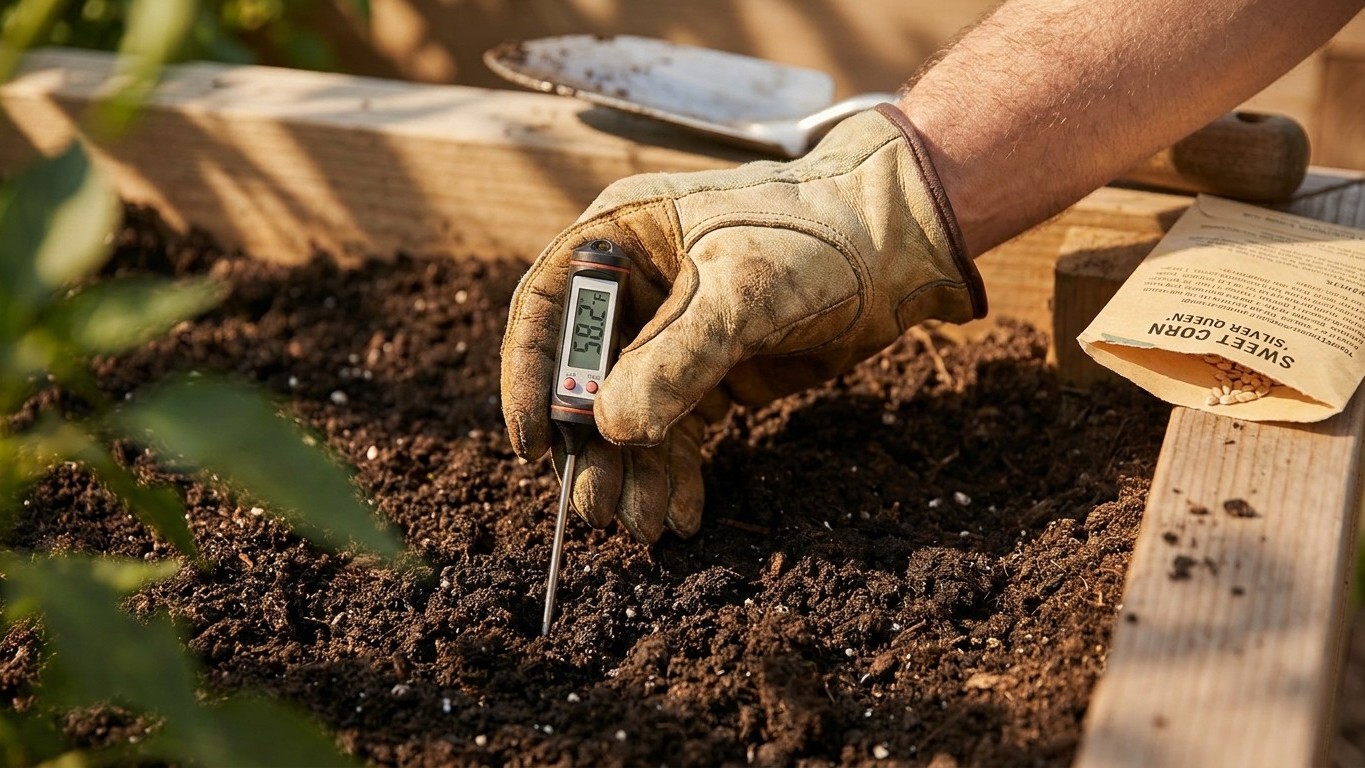
Sweet corn goes in the ground in Utah once soil warms past 60°F, which typically happens weeks after the last spring frost has passed.