What Is the Average Electric Bill in Connecticut?

The average residential electric bill in Connecticut was $199.66 a month in 2024, a statewide figure covering the whole year and all utilities together.
Home and garden notes, season by season
Home and garden guidance for Connecticut: planting dates for its climate zones, the codes that apply locally, and the rebates residents can actually claim.
Everything we have worked out for Connecticut: what to plant and when, which varieties finish in time, the pests that actually turn up here, and the jobs that pay off month by month. We also cover the rest of the property, from lawns and soil to home care and energy, because a garden rarely stops at the vegetable bed.
The numbers first, because everything else follows from them. Measured at the weather station in Bridgeport, the last spring freeze runs April 2 to April 12 and the first fall freeze runs October 28 to November 10, USDA zones 6a-7b, 3,314 growing degree days in the year.
Garlic does well: 21.8 weeks below 40 °F, comfortably past the six it needs to form a proper head.
Elsewhere on the property in Connecticut: the pests that turn up here.
Figures from NOAA's 1991-2020 climate normals. A state is not one climate: elevation, a large lake or the coast can move these dates by two weeks either way, so check your own county with the extension service before you spend money.
The planting guide for each month in Connecticut:
The average residential electric bill in Connecticut was $199.66 a month in 2024, a statewide figure covering the whole year and all utilities together.

For a last spring frost of April 2 to April 12 on the Connecticut shore, onions and leeks go into pots first, December 18 to January 4.
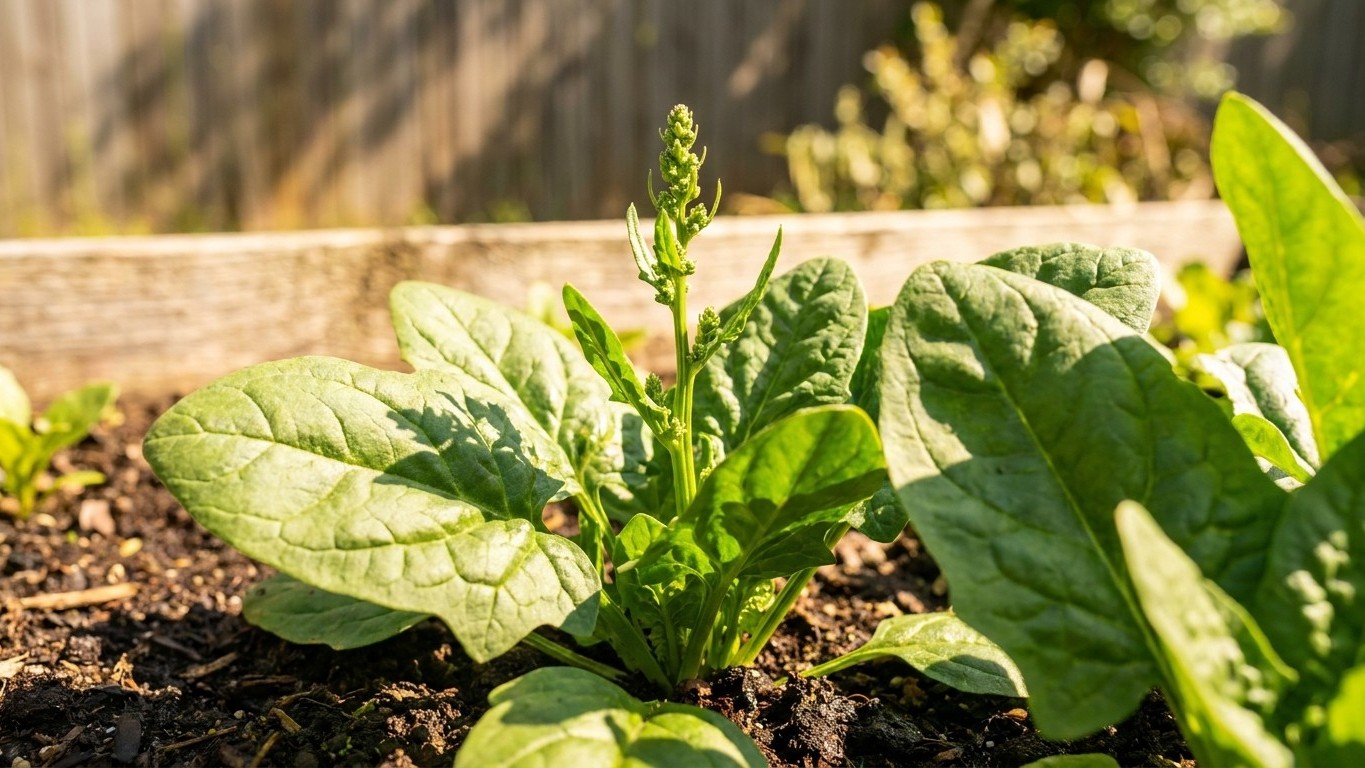
Cut spinach while the plant is a low, tight rosette of full-size leaves, before the center starts to stretch upward.
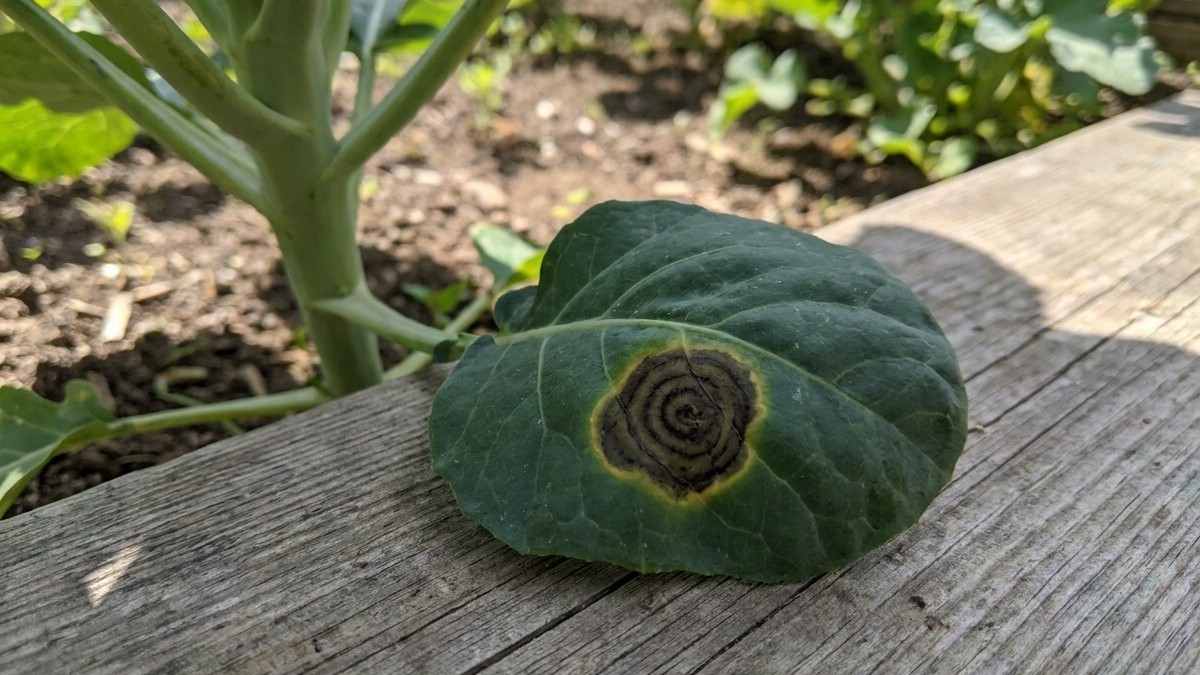
Cut a pumpkin when the rind is hard and fully colored and the stem has dried, and do it before the first freeze.
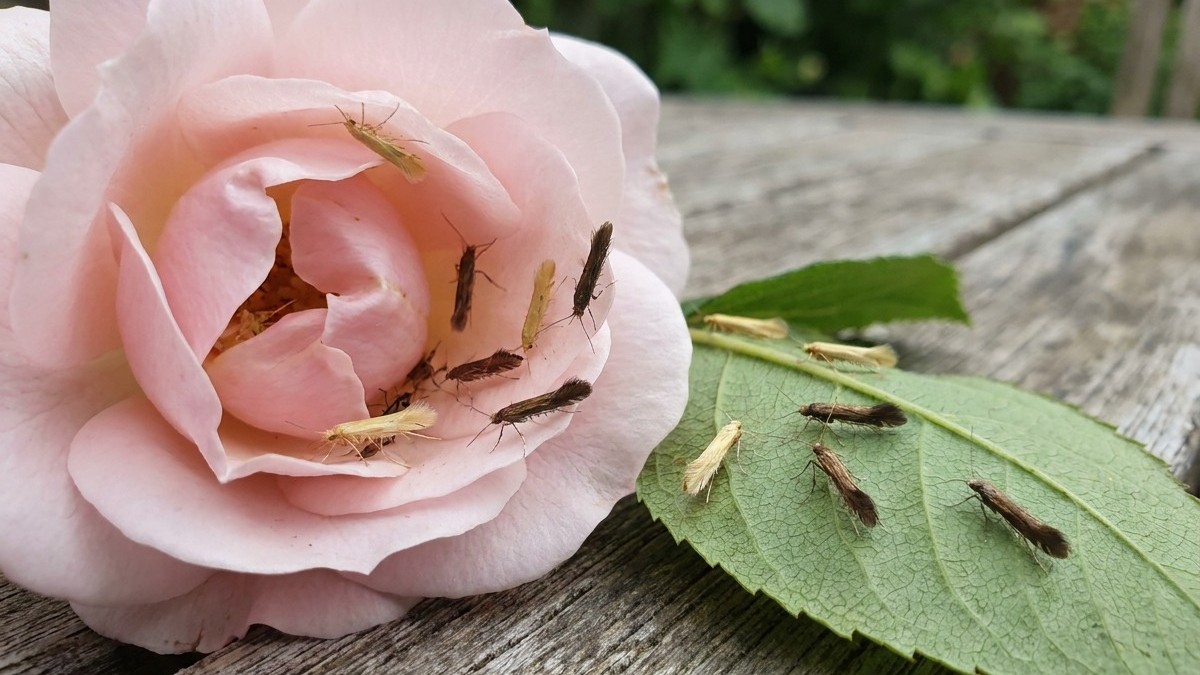
Grafted roses need winter protection across most of Connecticut. The protection is a mound of soil over the base of the plant, added once the ground…
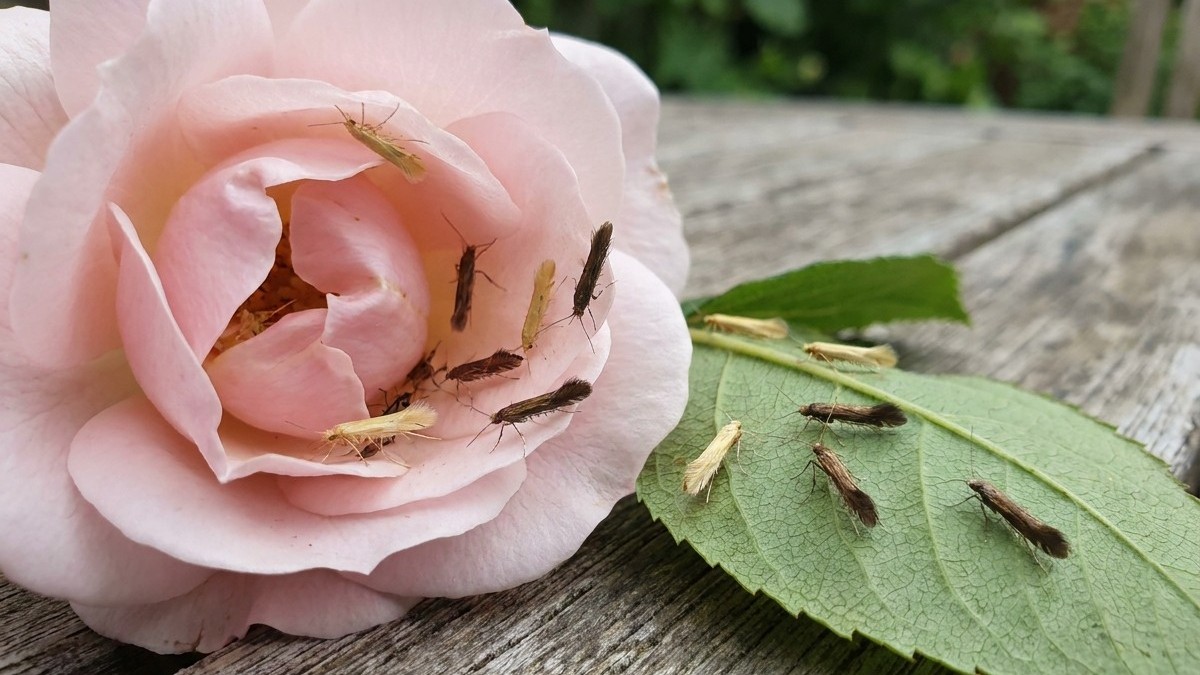
Rugosas, Canadian Explorer roses, Knock Out, and the climber New Dawn come through Connecticut winters with little or no help.

Most Connecticut roses should be pruned from late March through mid-April, when the buds begin to swell and the hardest cold has passed.

Three fungal diseases cause most rose trouble in Connecticut: black spot, powdery mildew and downy mildew.
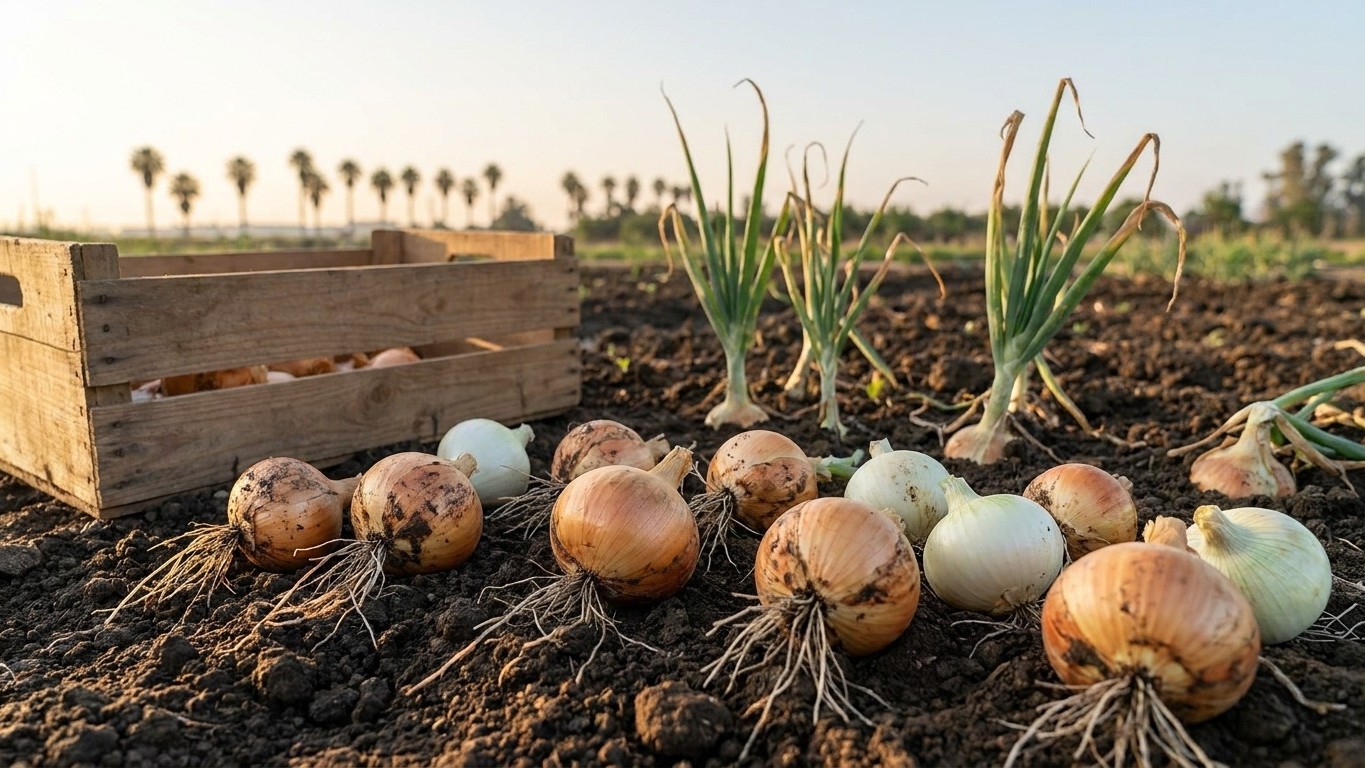
Lift onions when most of the tops have yellowed and flopped over, which in Connecticut means mid to late summer.
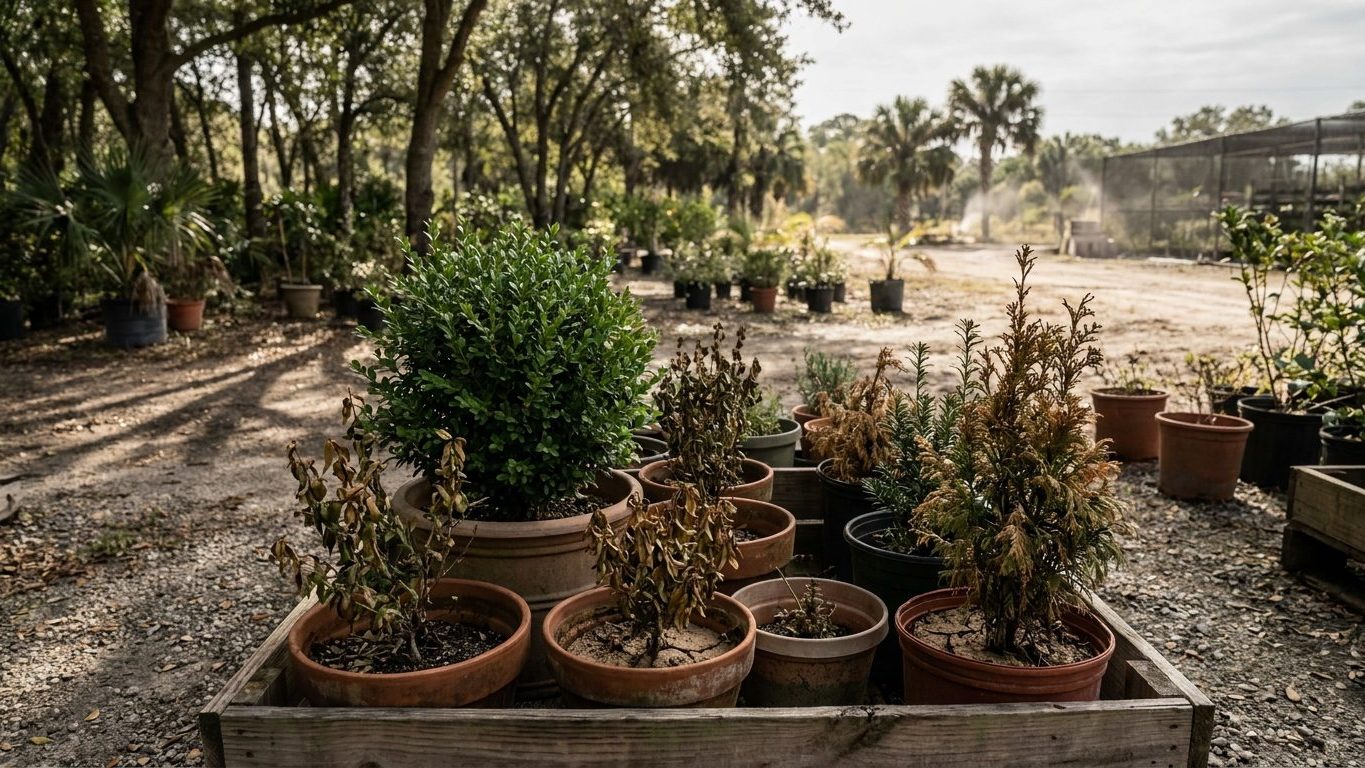
All twelve widely planted hedge species survive Connecticut winters, from the 6a hills to the 7b shoreline (USDA system).