Protecting Roses Through a South Dakota Winter
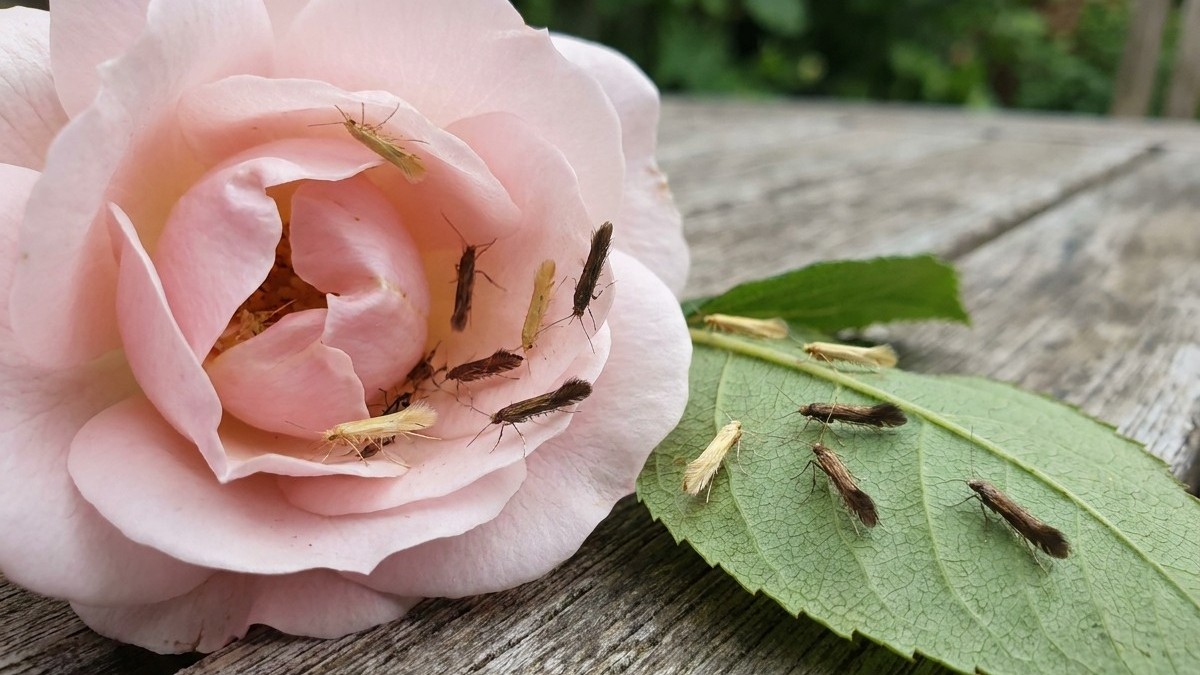
Grafted roses such as hybrid teas, floribundas and grandifloras need a mound of soil over the crown every winter anywhere in South Dakota.
Home and garden notes, season by season
What home and garden advice looks like when it is written for South Dakota — midwest seasons, midwest rules, and the numbers that go with them.
Everything we have worked out for South Dakota: what to plant and when, which varieties finish in time, the pests that actually turn up here, and the jobs that pay off month by month. We also cover the rest of the property, from lawns and soil to home care and energy, because a garden rarely stops at the vegetable bed.
The numbers first, because everything else follows from them. Measured at the weather station in Sioux Falls, the last spring freeze runs April 29 to May 9 and the first fall freeze runs September 24 to October 4, USDA zones 3b-5b, 3,003 growing degree days in the year.
Garlic does well: 30.4 weeks below 40 °F, comfortably past the six it needs to form a proper head.
Elsewhere on the property in South Dakota: the pests that turn up here.
Figures from NOAA's 1991-2020 climate normals. A state is not one climate: elevation, a large lake or the coast can move these dates by two weeks either way, so check your own county with the extension service before you spend money.
The planting guide for each month in South Dakota:
Grafted roses such as hybrid teas, floribundas and grandifloras need a mound of soil over the crown every winter anywhere in South Dakota.
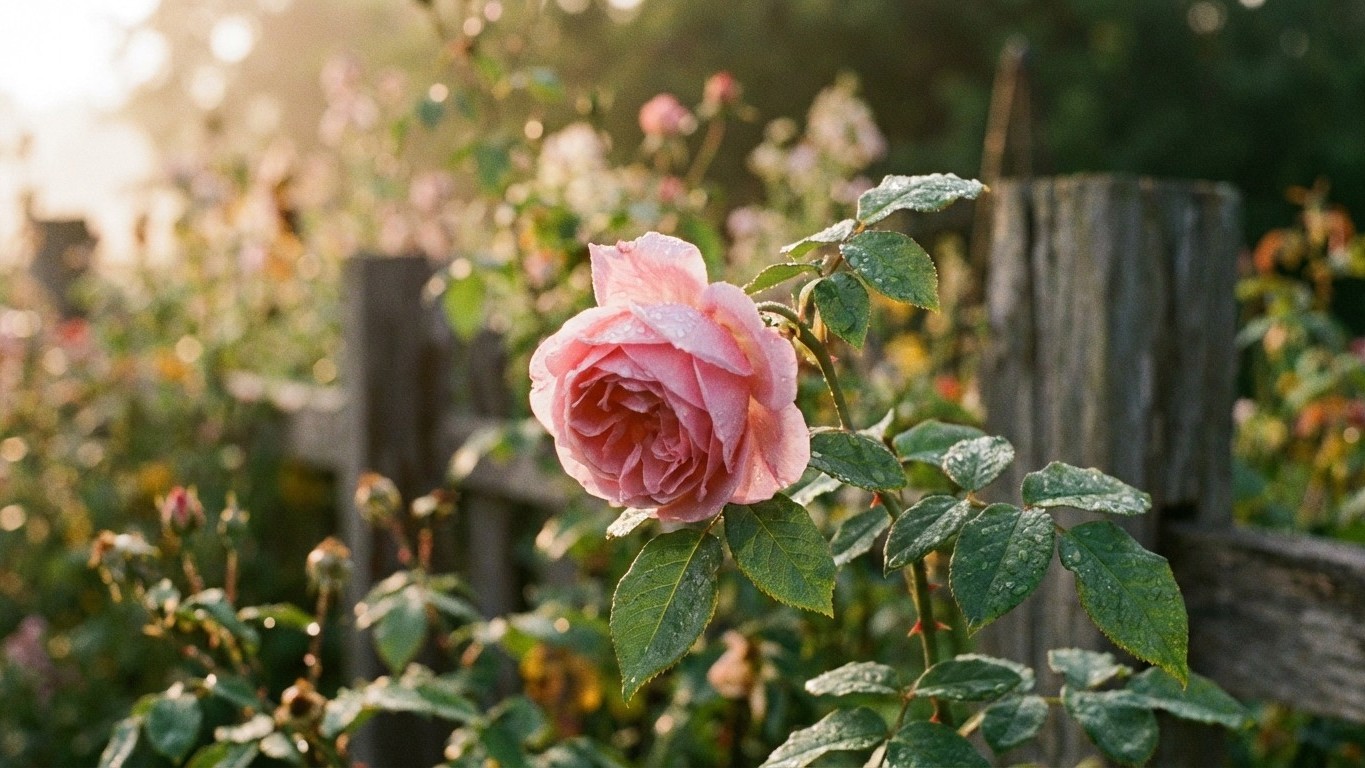
Rugosa roses and the Canadian Explorer and Parkland series come through a South Dakota winter without fuss, and shrub roses growing on their own roots…
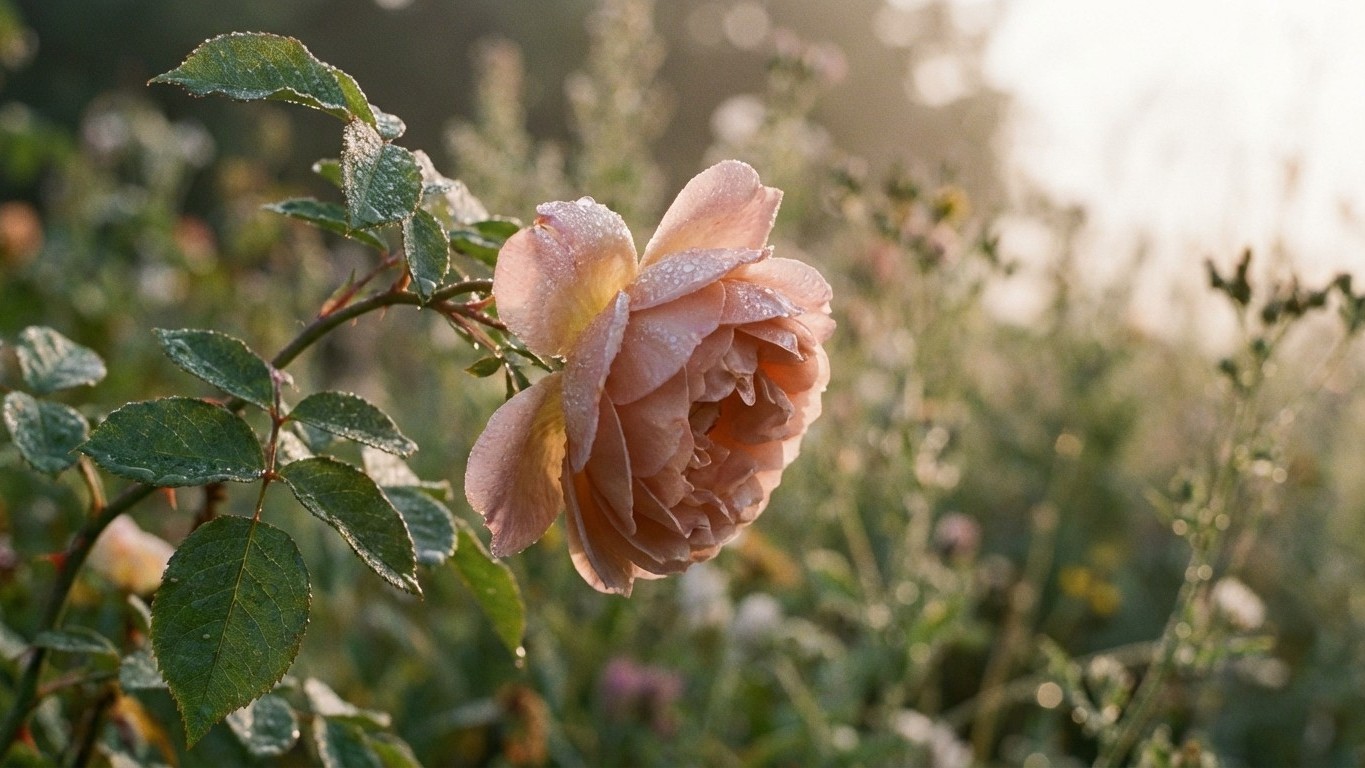
Most roses here get their main pruning in spring, once the buds on the canes start to swell and the winter dieback is easy to see.
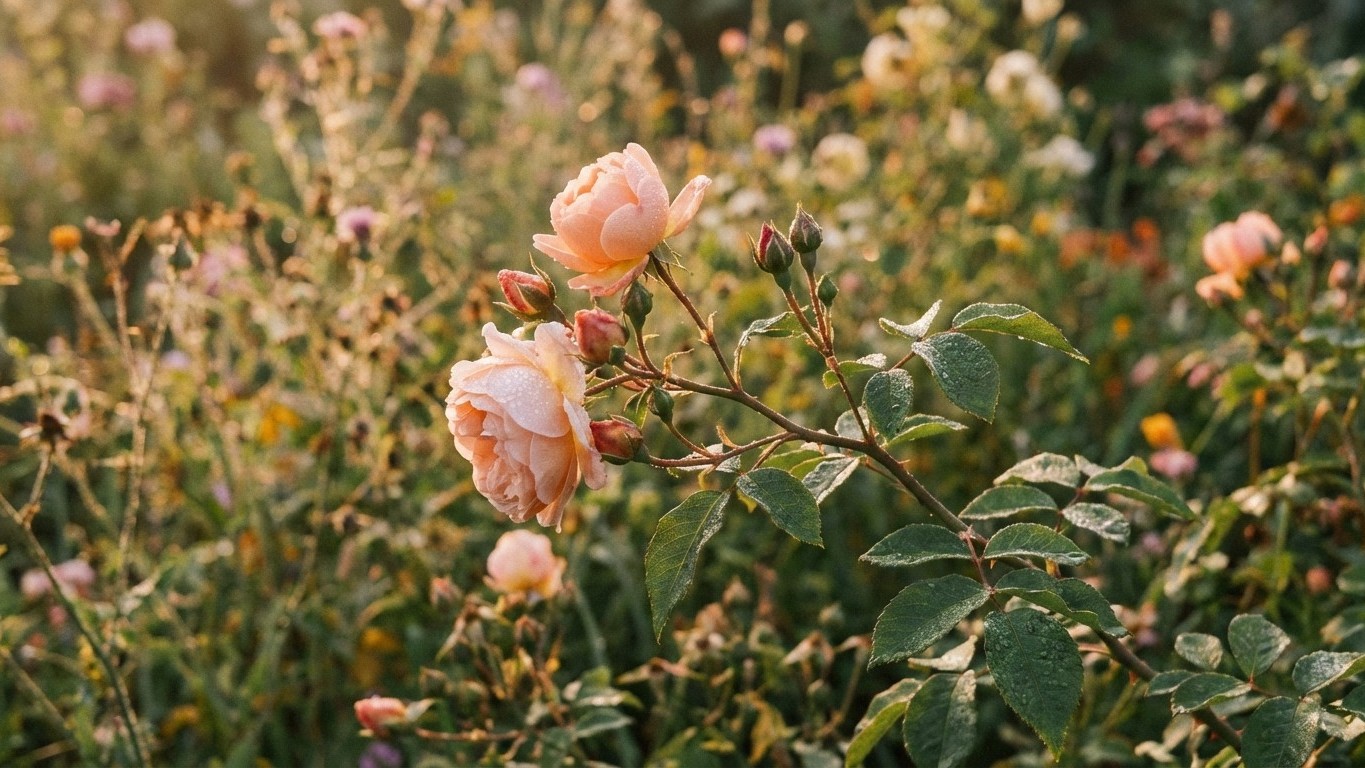
Four diseases cause most of the trouble for roses in South Dakota: black spot, powdery mildew, downy mildew and rose rosette.
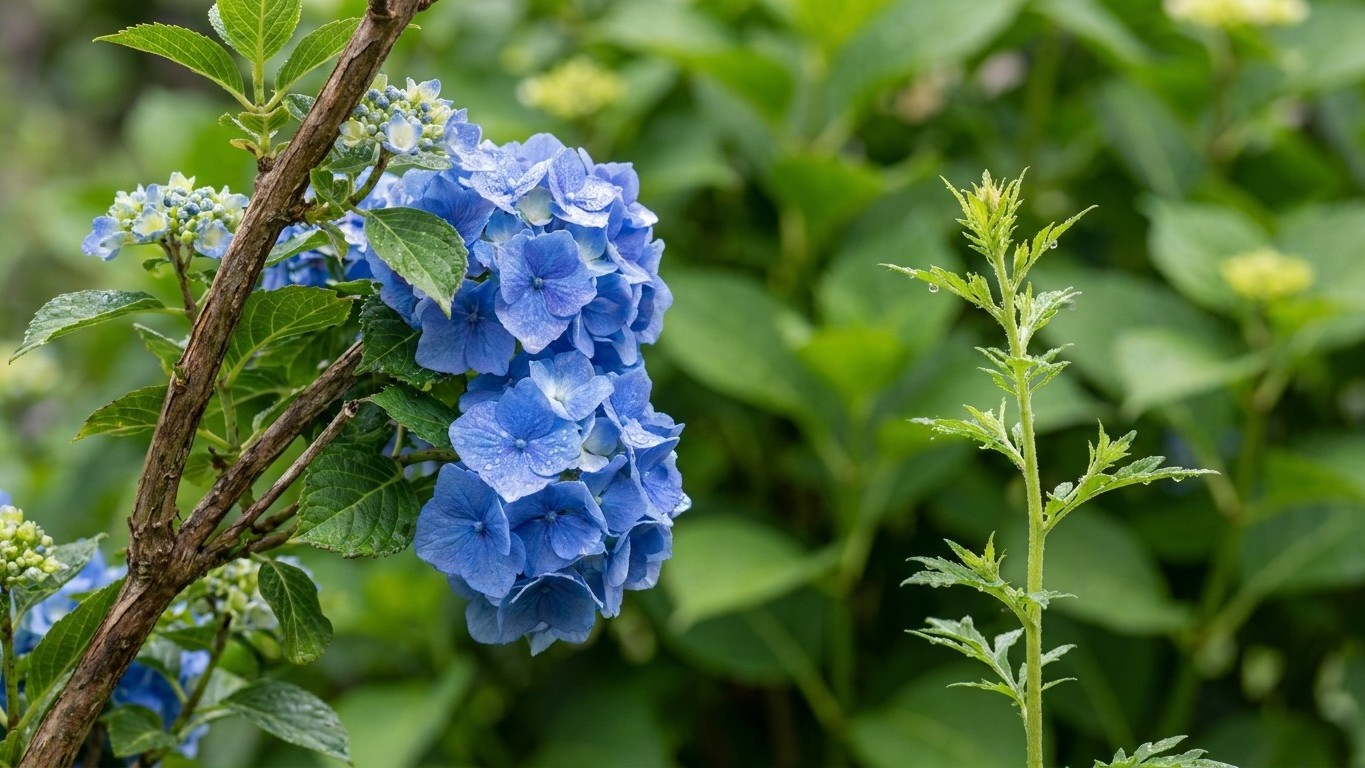
Most hydrangeas lost over a South Dakota winter were the wrong type for the spot, not too tender in general.
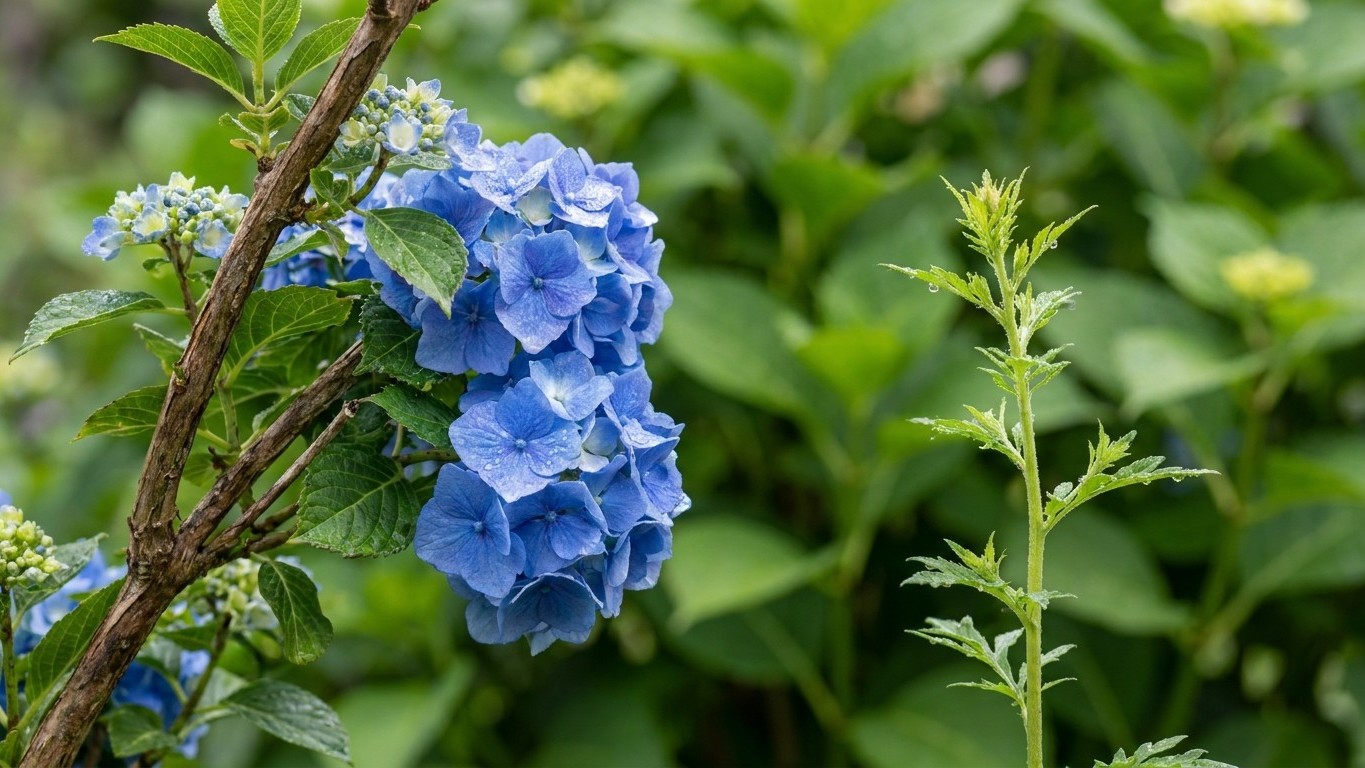
Panicle and smooth hydrangeas come through a South Dakota winter and bloom the next summer.
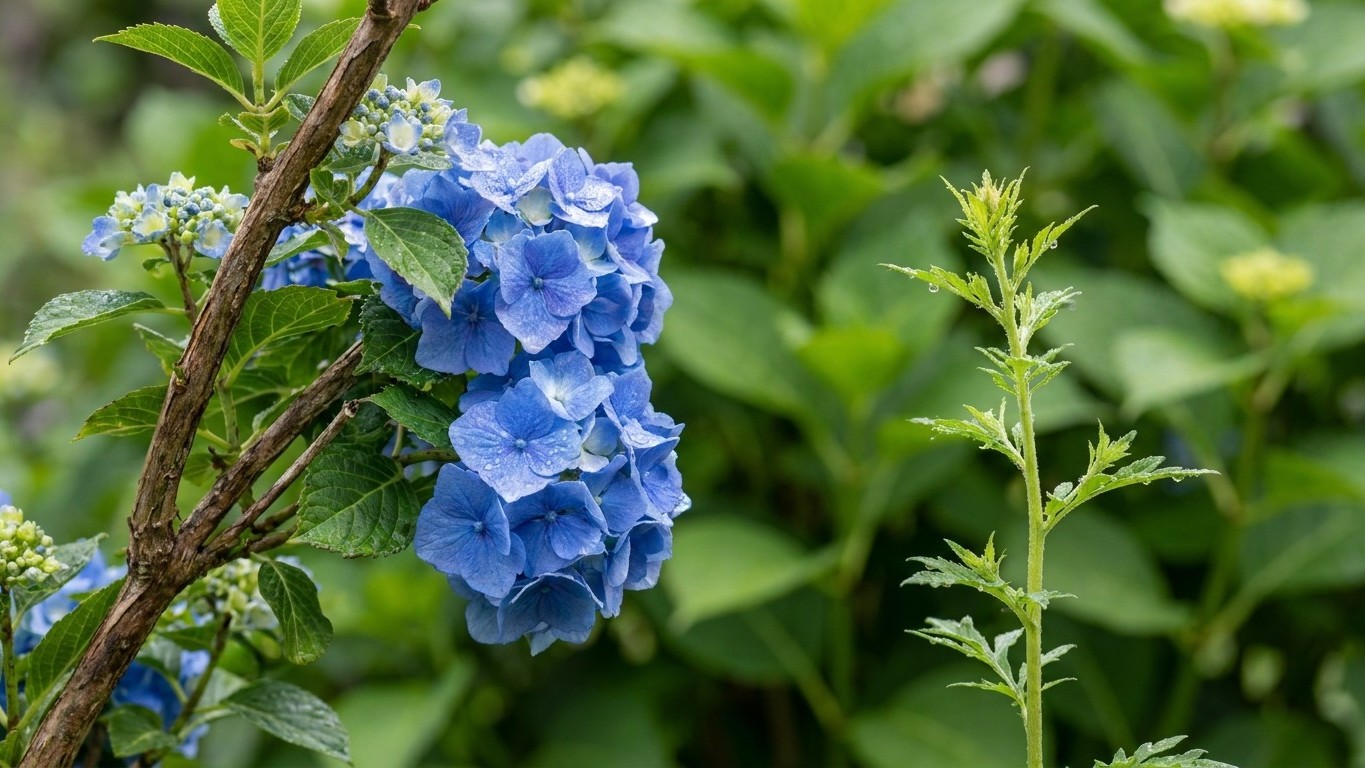
Hydrangeas turn pink in South Dakota because most garden soil here sits at neutral to alkaline pH, and that chemistry keeps aluminum out of the plant’s…
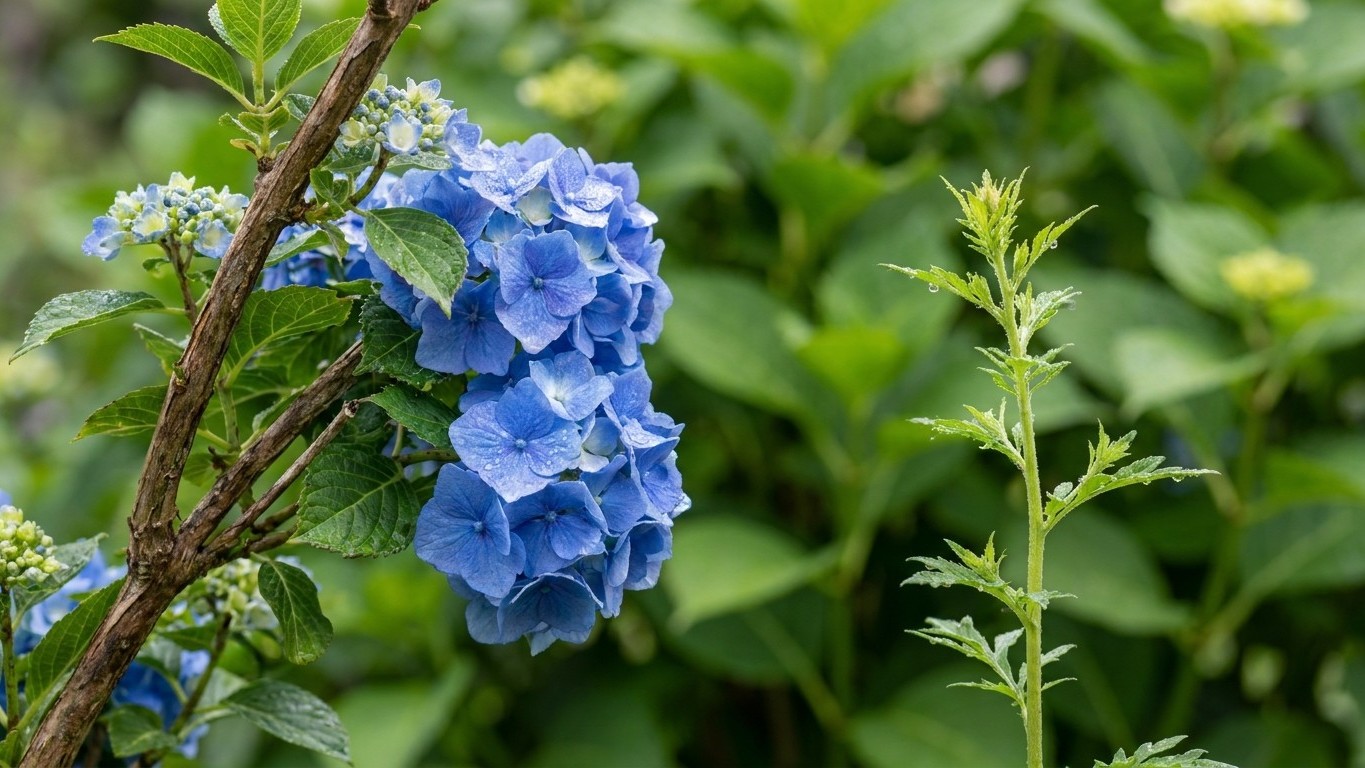
Prune panicle and smooth hydrangeas in late winter or early spring, before the buds swell.
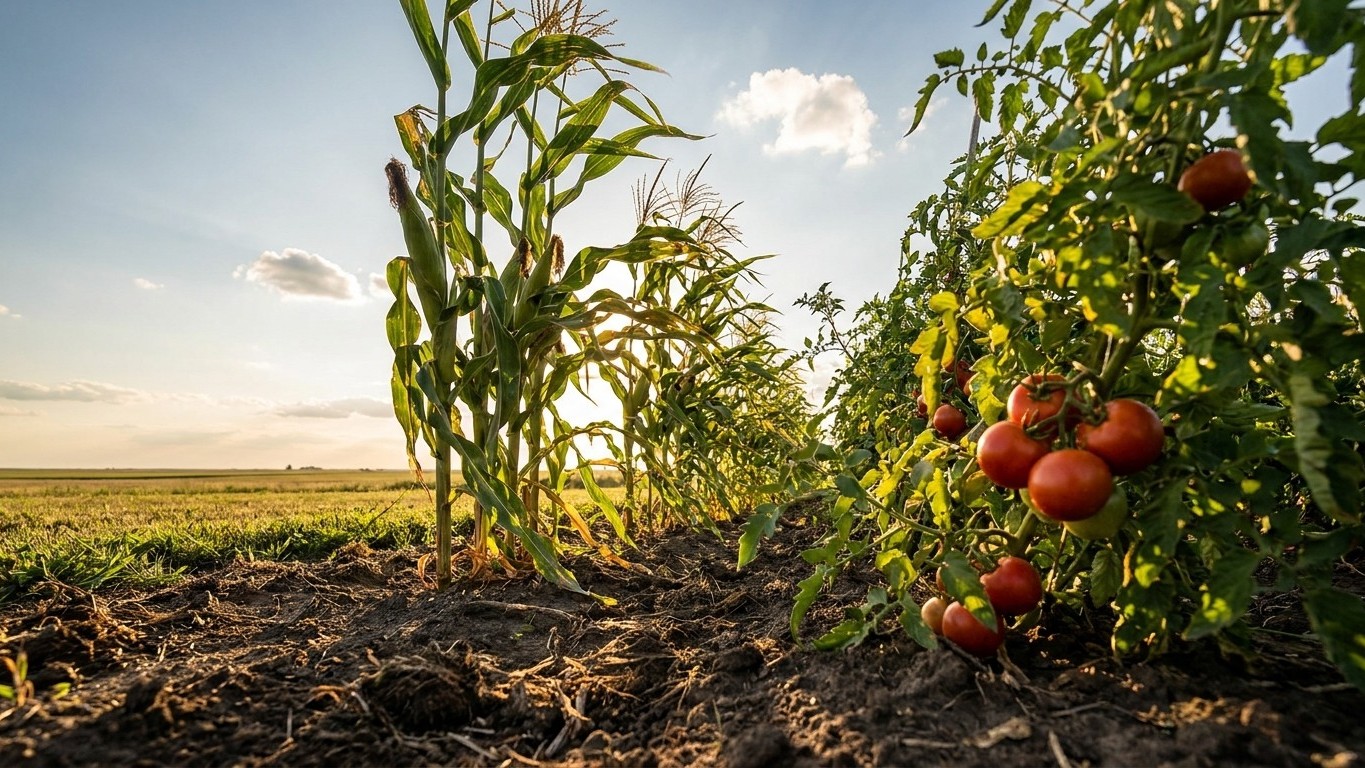
Sweet corn is ready about 17 to 24 days after the first silks appear, and the ears confirm it by sight and touch.
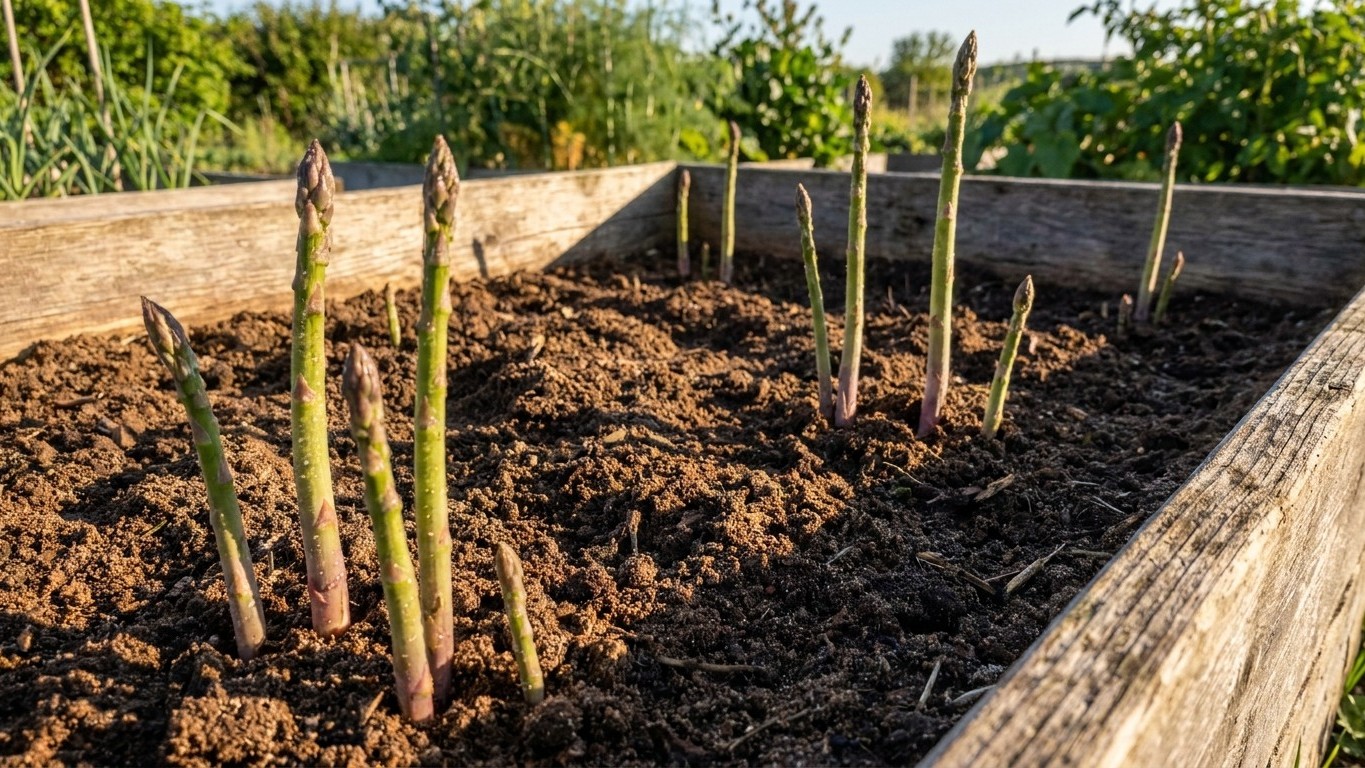
Asparagus gets eaten in two waves. Spears take the first hit in spring, as soon as they push through the soil, and the ferns take the second through…