When to Prune Roses in Vermont
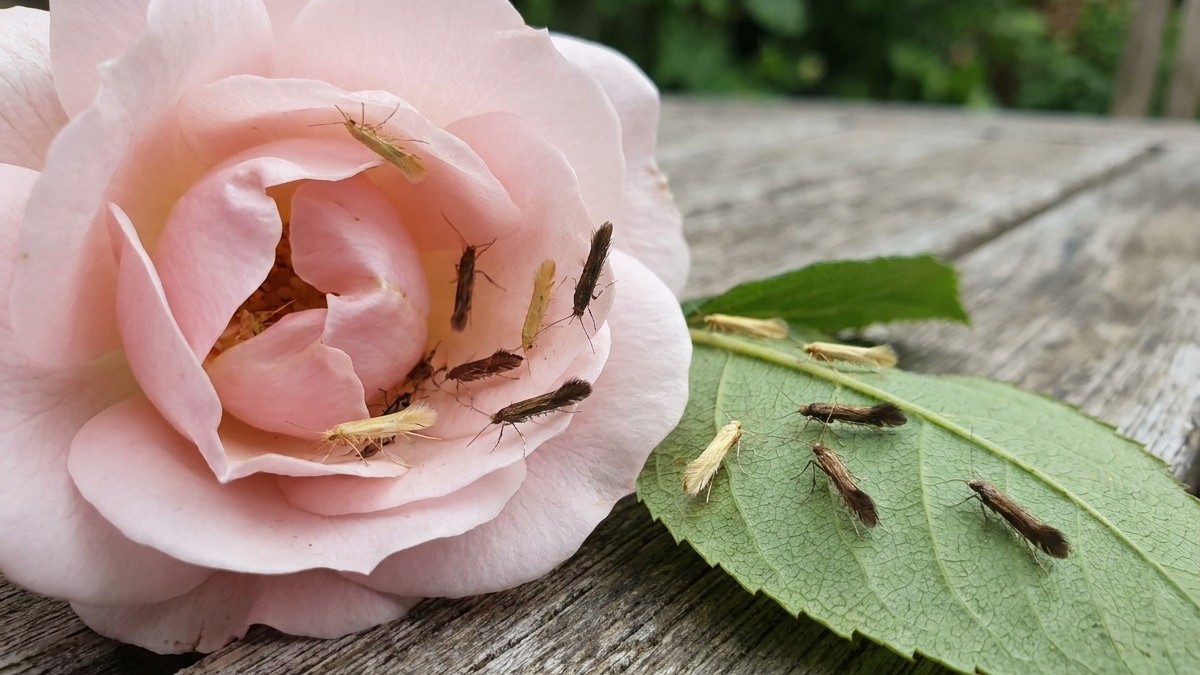
Repeat-blooming roses are pruned in spring, once the buds swell and before leaves open.
Home and garden notes, season by season
Planting, pruning and the slow decisions you only get to make once.
Repeat-blooming roses are pruned in spring, once the buds swell and before leaves open.
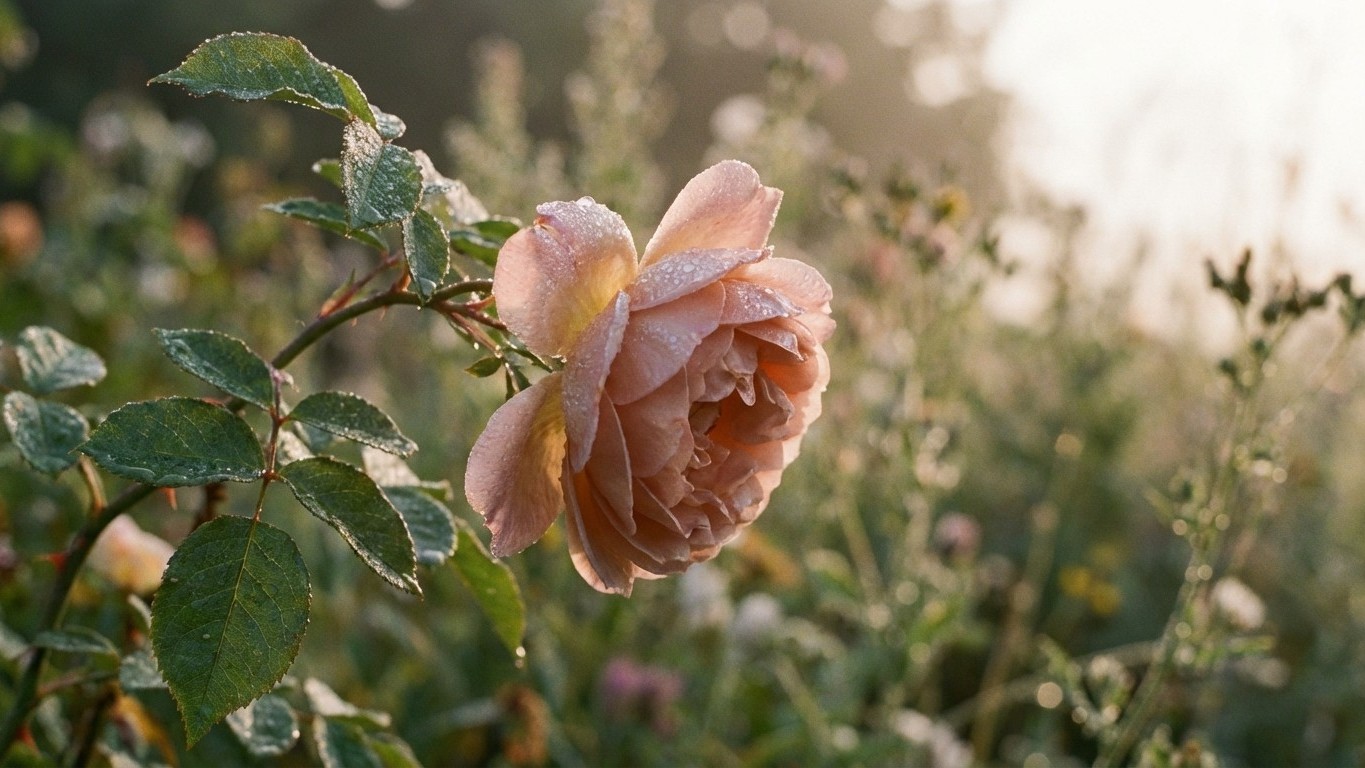
Three fungal diseases account for most sick roses in Vermont gardens: black spot, powdery mildew and downy mildew.
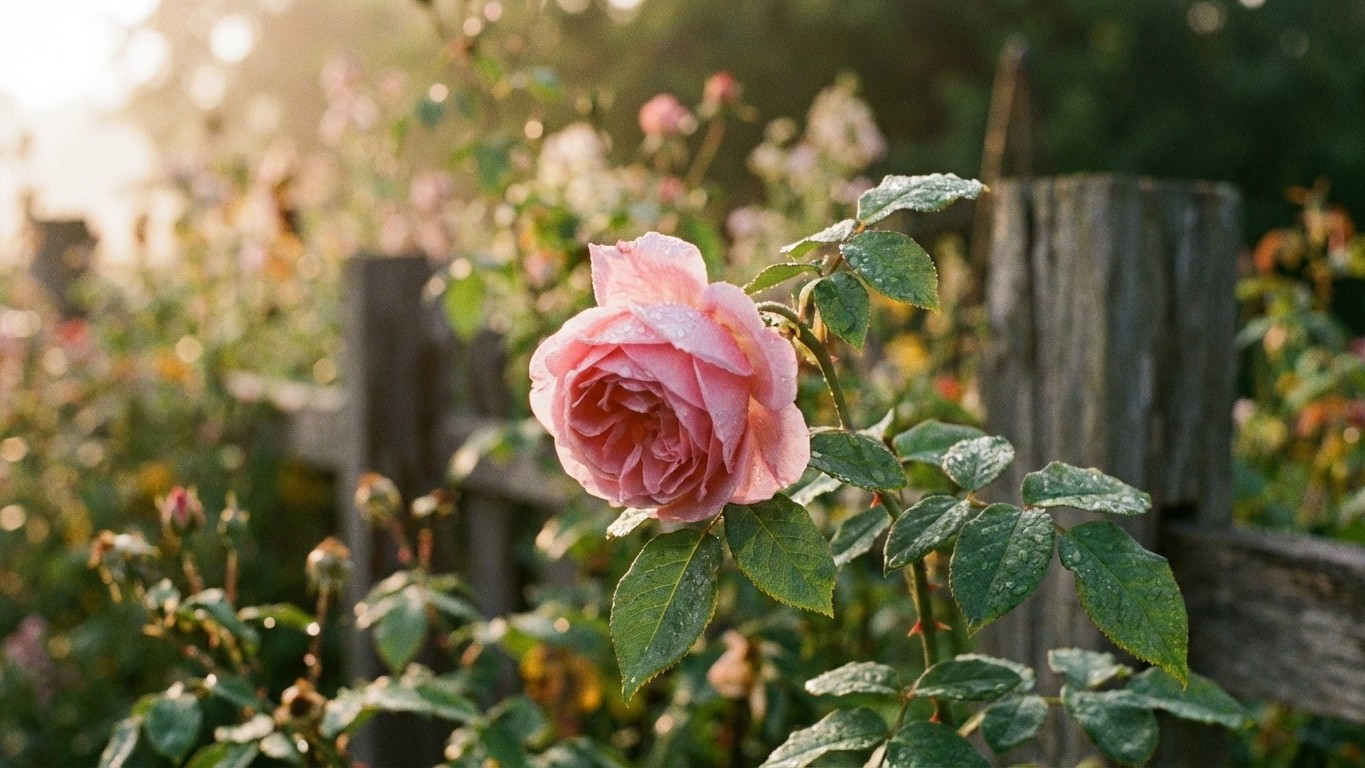
Grafted roses, which means most hybrid teas, floribundas and grandifloras, need winter protection across most of Utah.
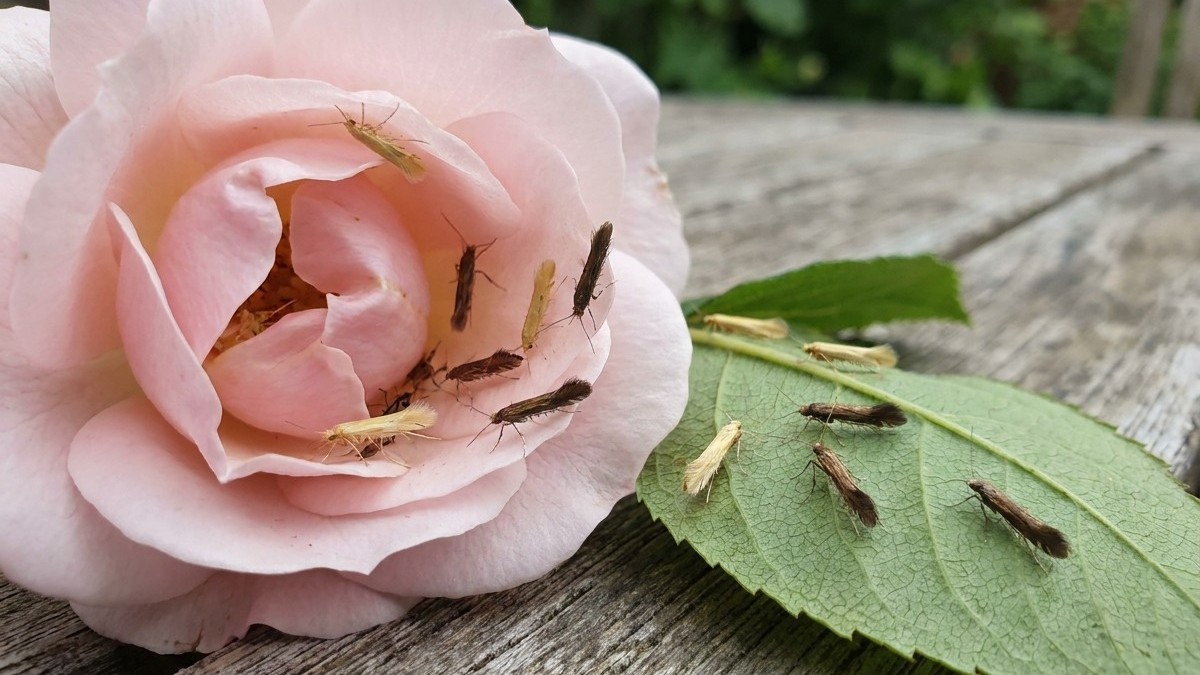
Rugosa roses, the Canadian Explorer series and own-root shrub roses such as Knock Out come through Utah winters with little fuss.
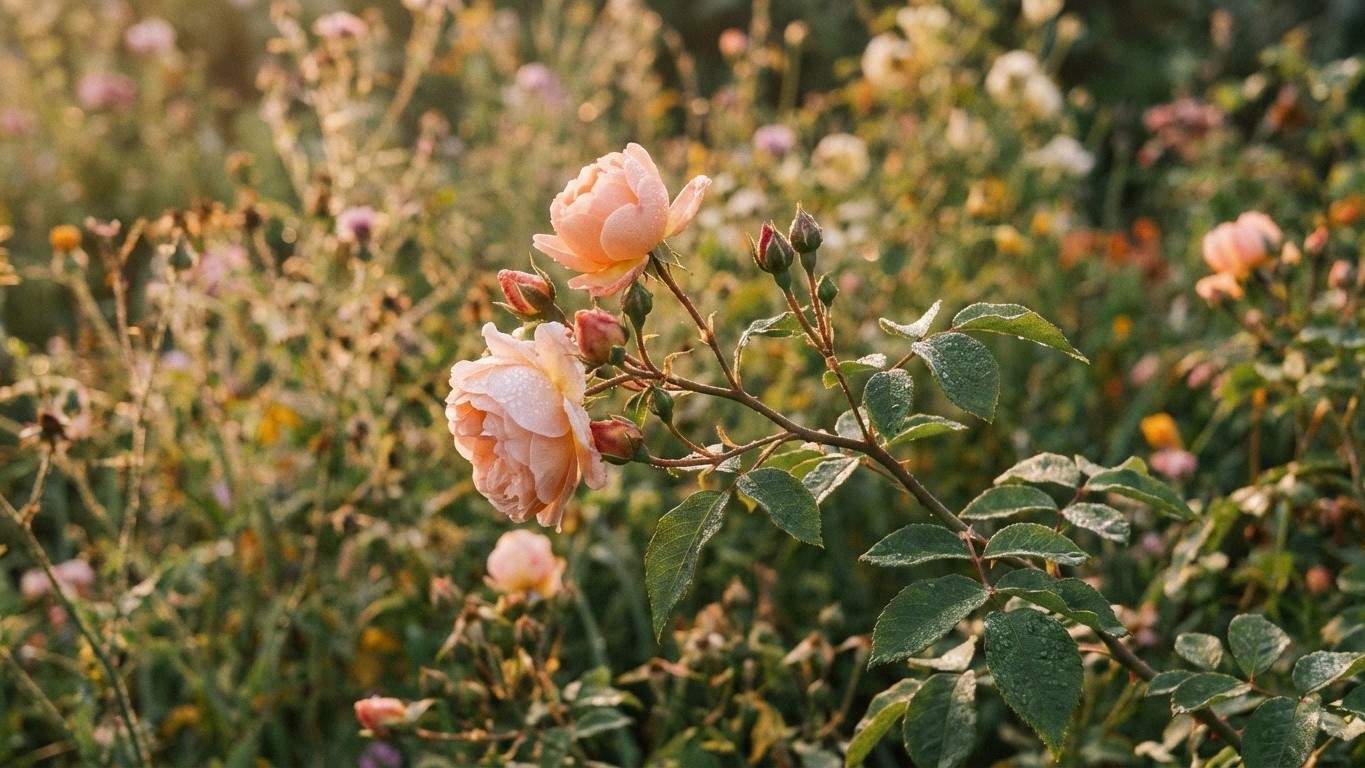
Powdery mildew is the disease Utah’s climate favors most. Warm days and cool nights build it on new growth even when the weather is dry.
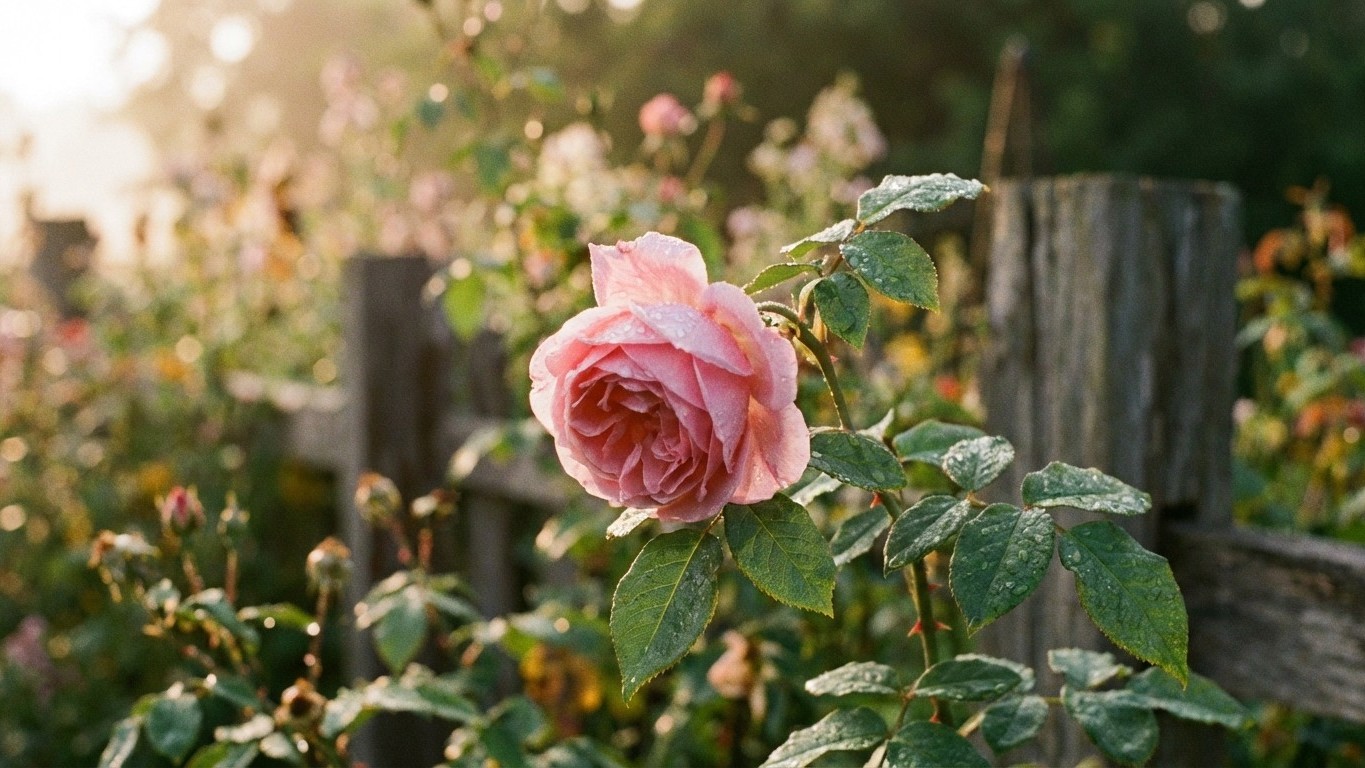
Roses along the Gulf Coast usually need nothing more than a frost cloth on a few nights.
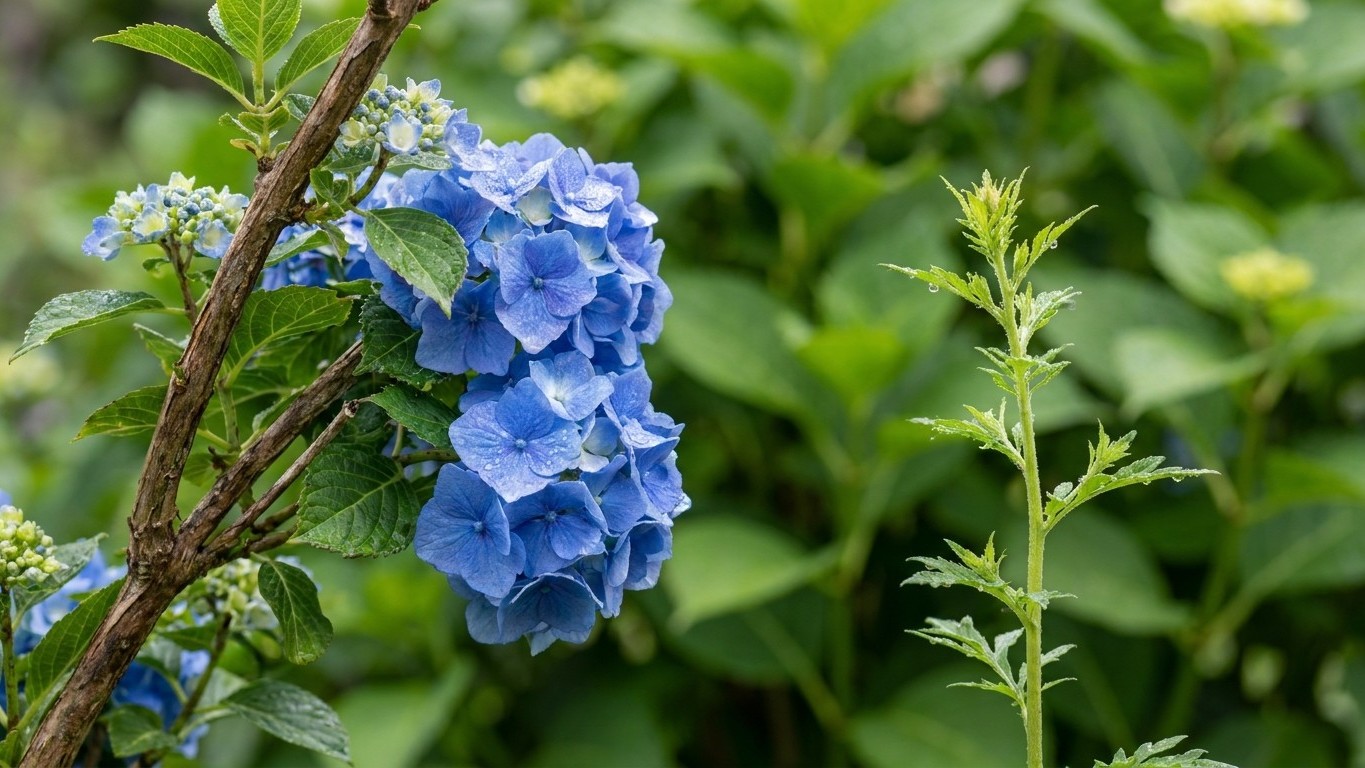
Hydrangea flowers turn pink when the plant cannot take up aluminum, and that happens whenever soil pH sits above about 6.5.
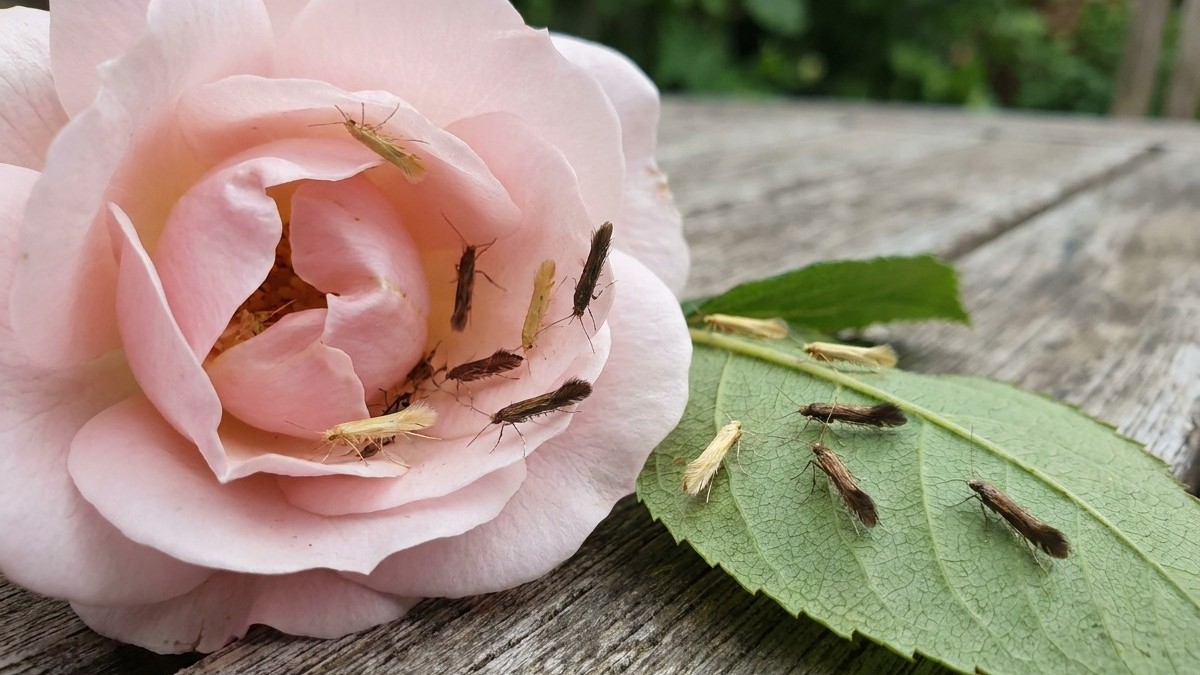
In Houston, hybrid teas, floribundas, shrub roses and repeat-blooming climbers get their main pruning from mid-February to early March, just as the buds…
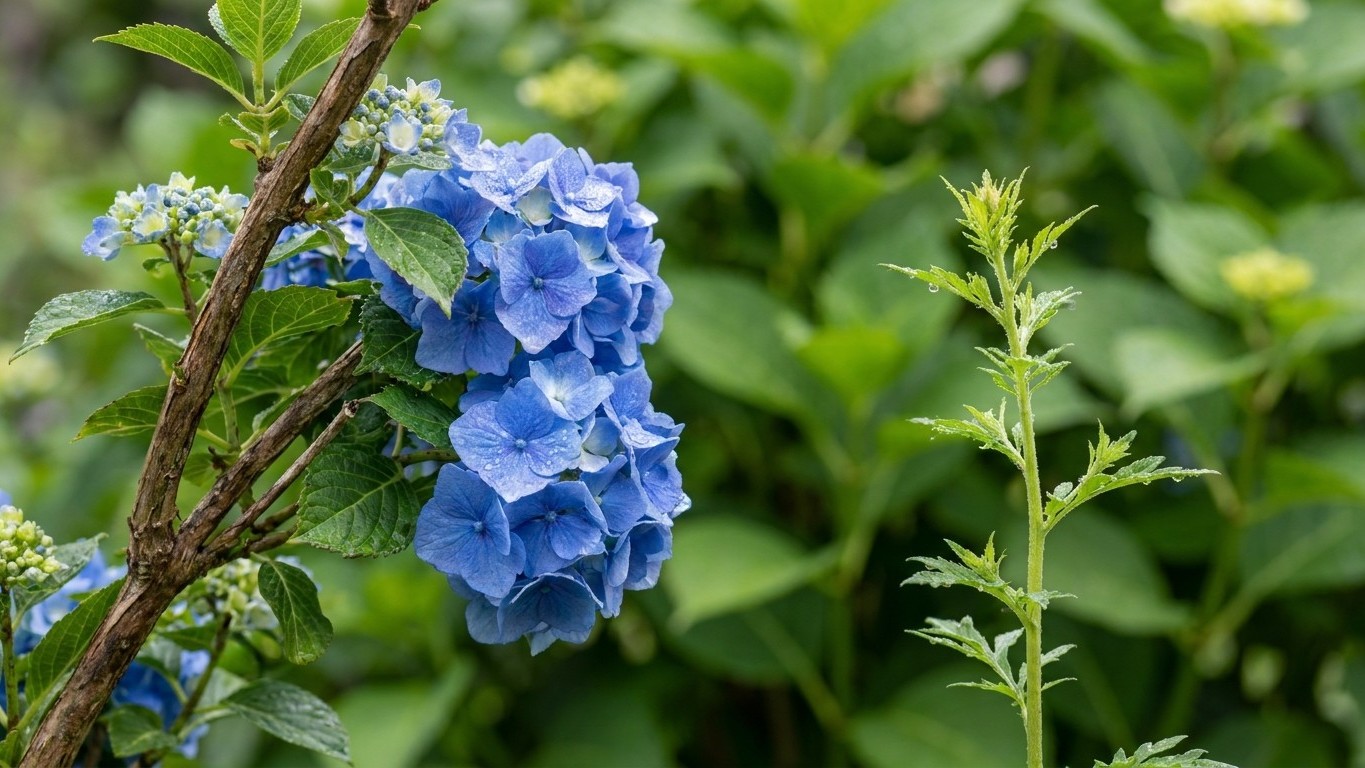
In Yukon, prune hydrangeas in late spring, once the buds swell and you can see which stems survived winter.
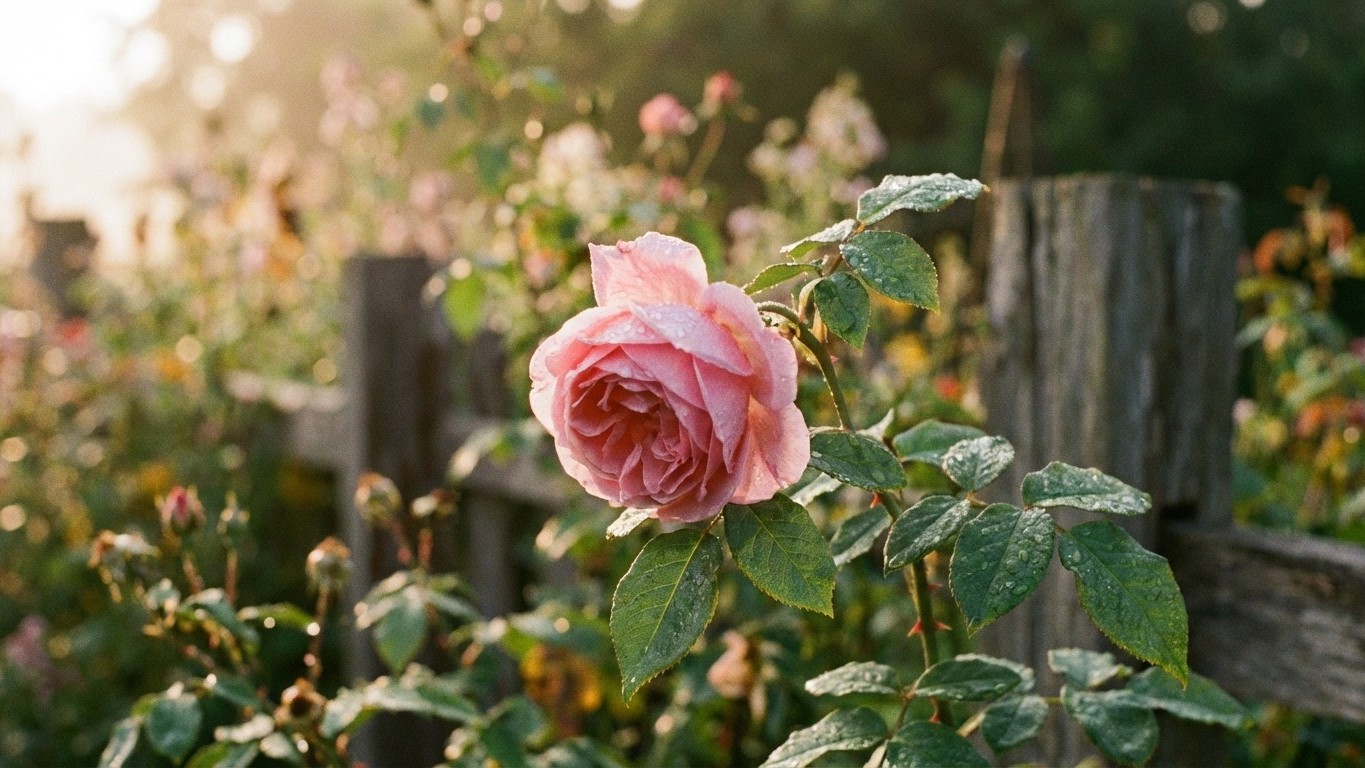
Texas roses mostly fight fungal leaf diseases: black spot, powdery mildew and, in cool damp spells, downy mildew.