Squash bug in Utah: When It Shows Up and What Stops It
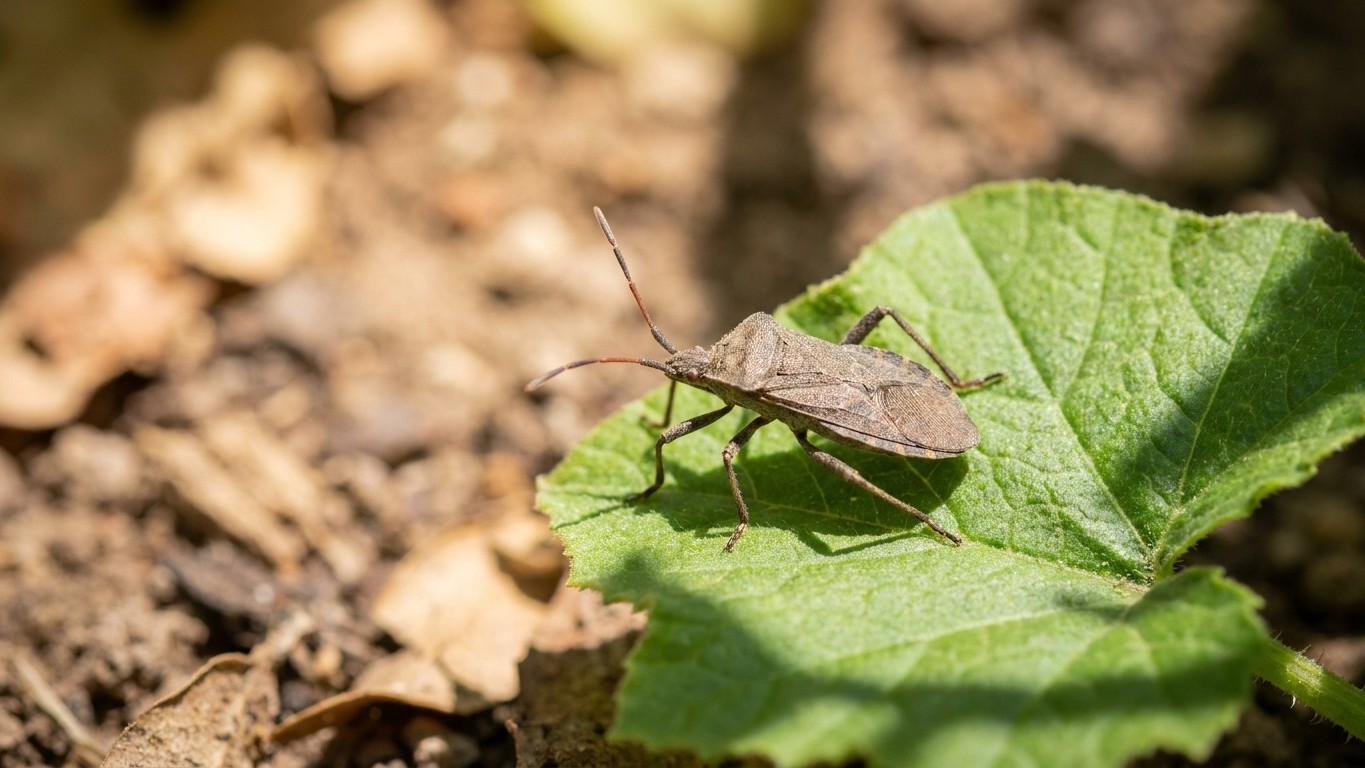
Squash bugs start showing up in Utah gardens once daytime soil temperatures hold above roughly 70°F for a stretch of days, which in most valley locations…
Home and garden notes, season by season
Everything we have worked out for Utah: what to plant and when, which varieties finish in time, the pests that actually turn up here, and the jobs that pay off month by month. We also cover the rest of the property, from lawns and soil to home care and energy, because a garden rarely stops at the vegetable bed.
The numbers first, because everything else follows from them. Measured at the weather station in Salt Lake City, the last spring freeze runs April 12 to April 29 and the first fall freeze runs October 18 to October 29, USDA zones 4a-9a, 3,551 growing degree days in the year.
Garlic does well: 26.1 weeks below 40 °F, comfortably past the six it needs to form a proper head.
Elsewhere on the property in Utah: the pests that turn up here.
Figures from NOAA's 1991-2020 climate normals. A state is not one climate: elevation, a large lake or the coast can move these dates by two weeks either way, so check your own county with the extension service before you spend money.
Squash bugs start showing up in Utah gardens once daytime soil temperatures hold above roughly 70°F for a stretch of days, which in most valley locations…
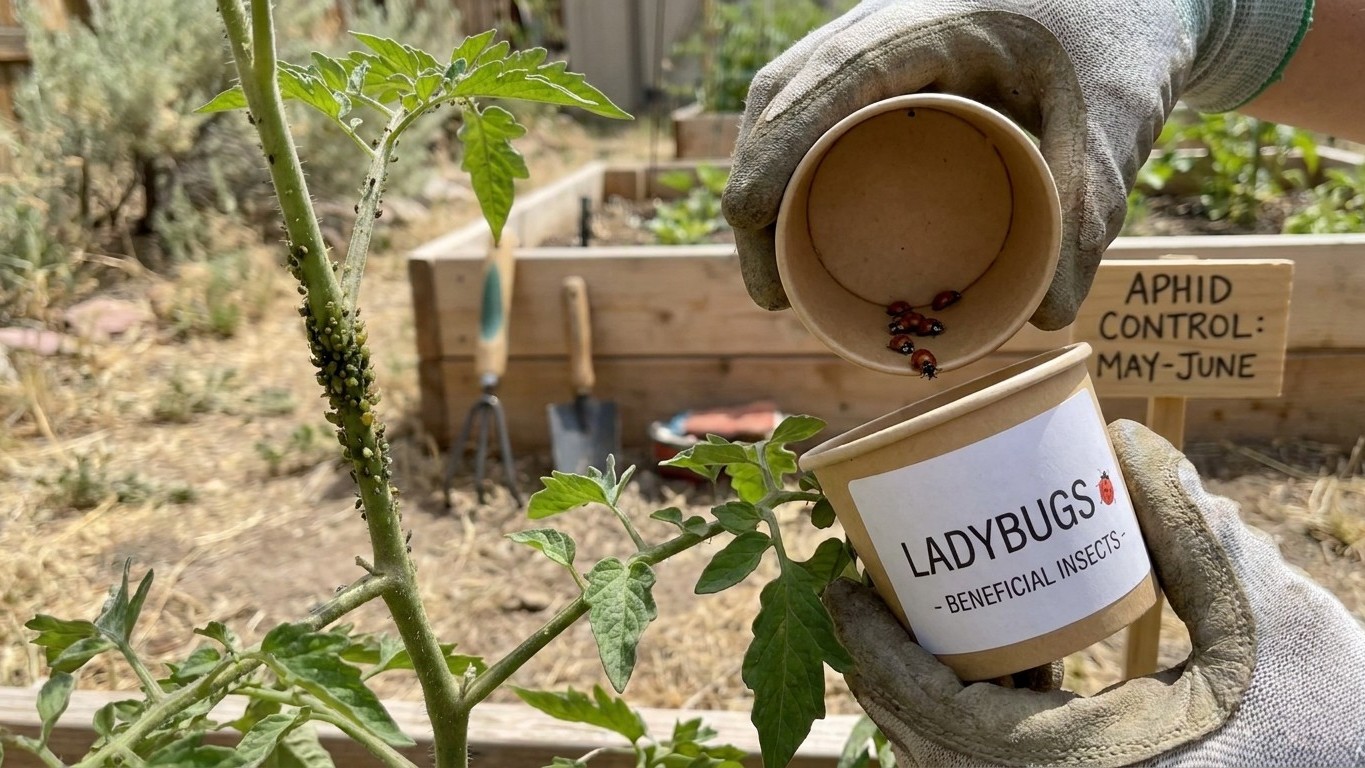
A season-by-season look at the insects USU Extension flags for Utah home gardens, how to tell their damage apart, and what treatments actually work.
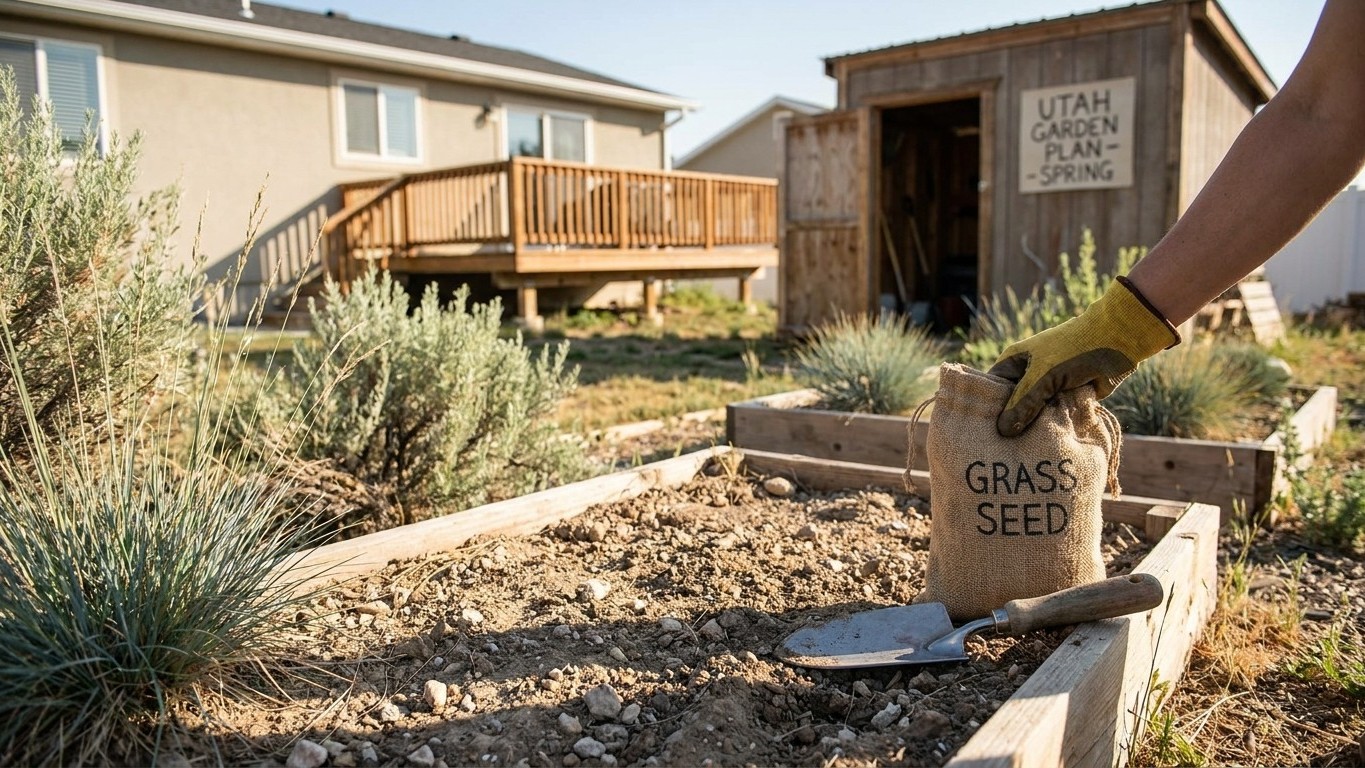
Utah sits in the transition zone, where cool-season and warm-season grasses both grow but neither thrives, so choosing one means accepting a specific seasonal trade-off.
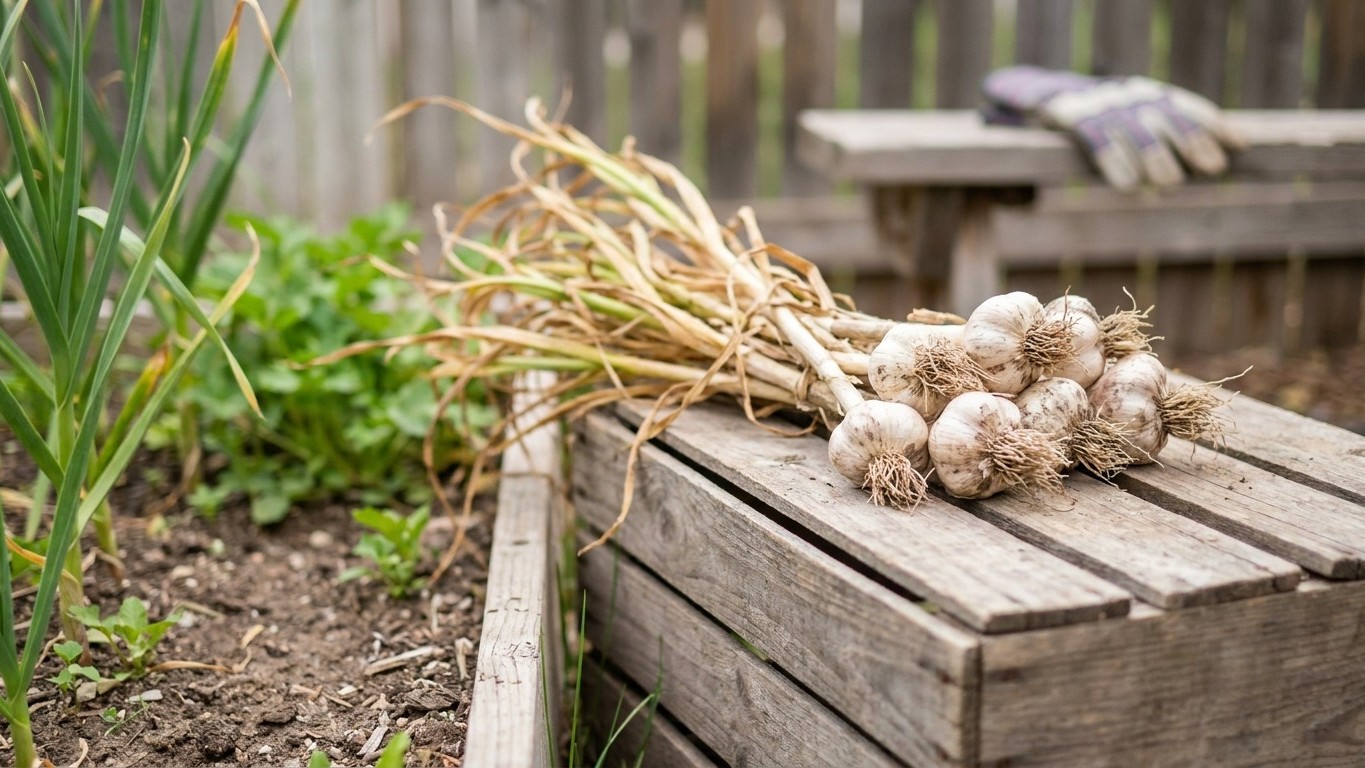
Utah’s garlic goes into the ground in late September to early October, timed against NOAA’s fall frost normals for Salt Lake City.
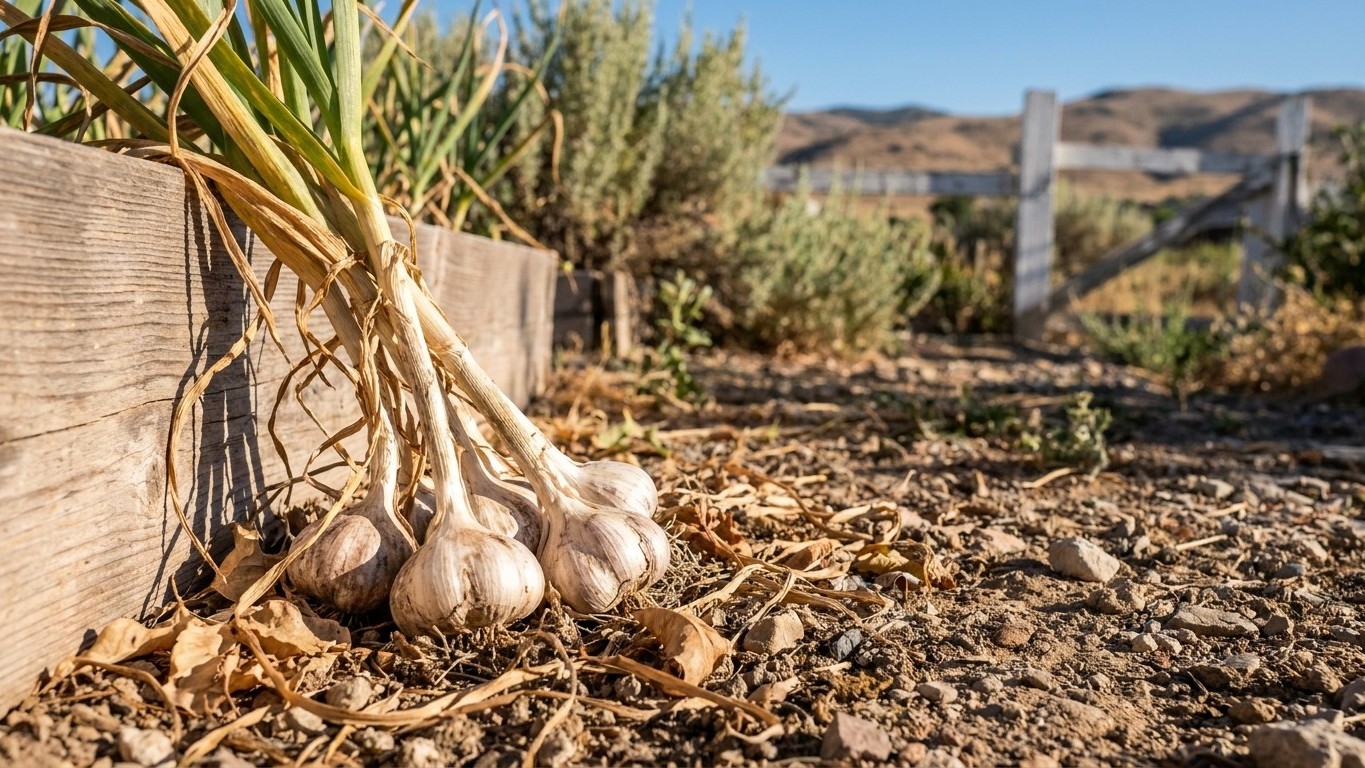
Utah’s long, cold winters suit both hardneck and softneck garlic. This piece gives the planting window, regional differences and disease risks growers should know.
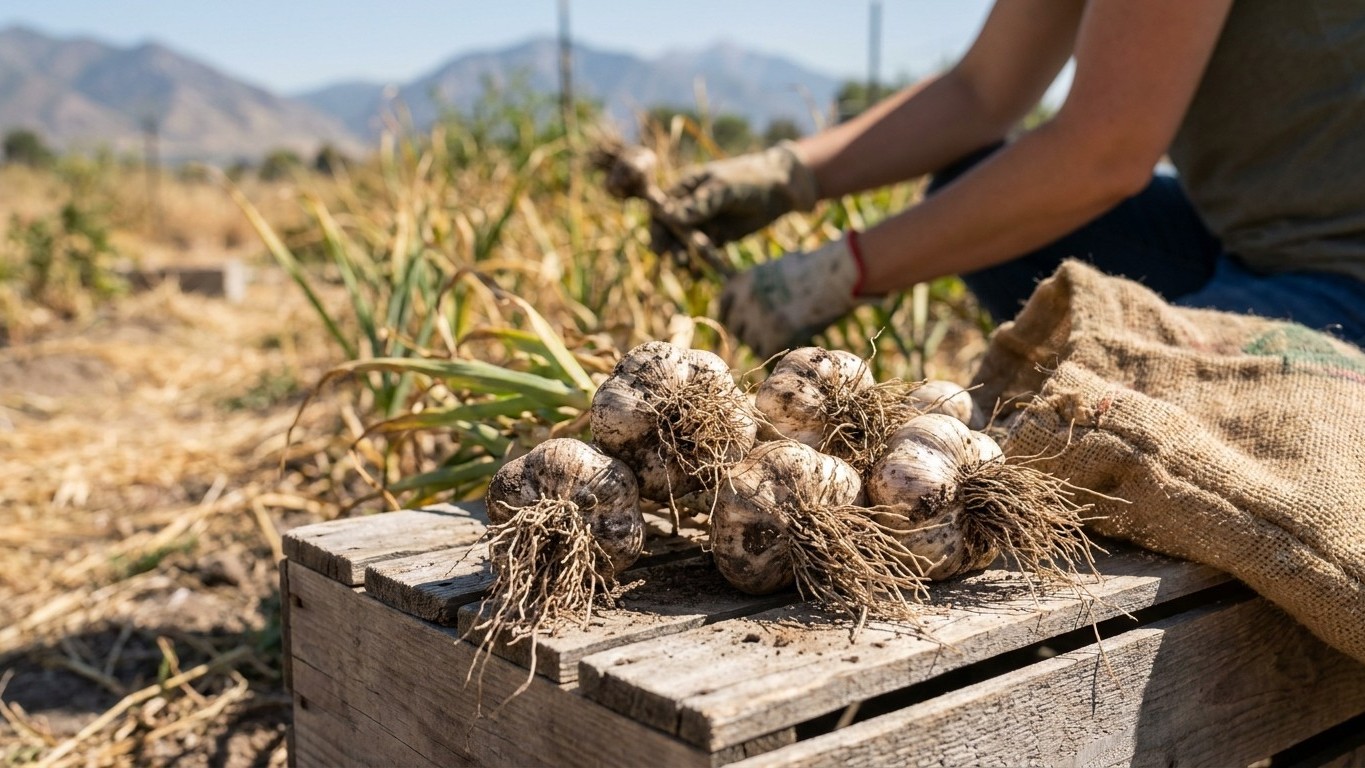
Utah’s long, cold winters exceed what garlic needs to divide into cloves, so success here comes down to picking the right type and planting window.
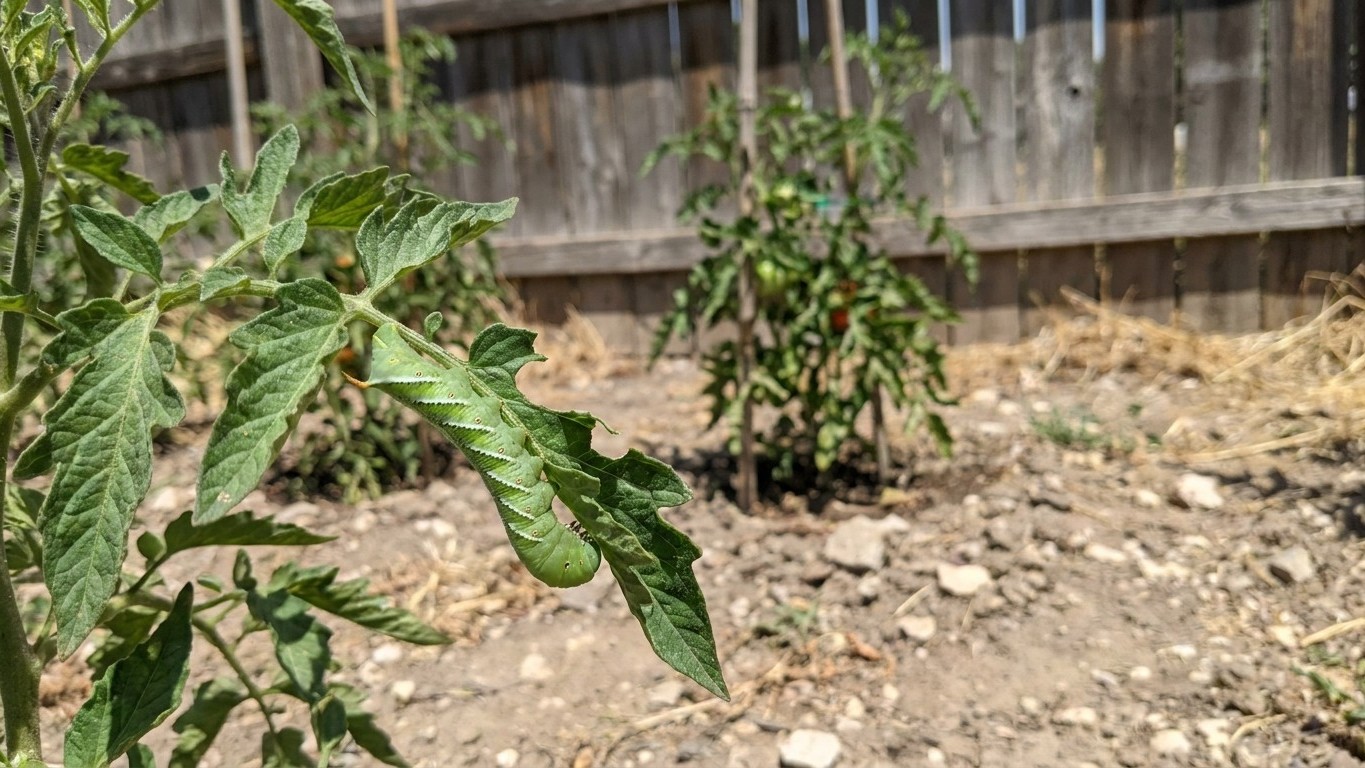
Utah tomato pests arrive on a predictable schedule tied to the frost window. Here is what shows up, when, and what works.
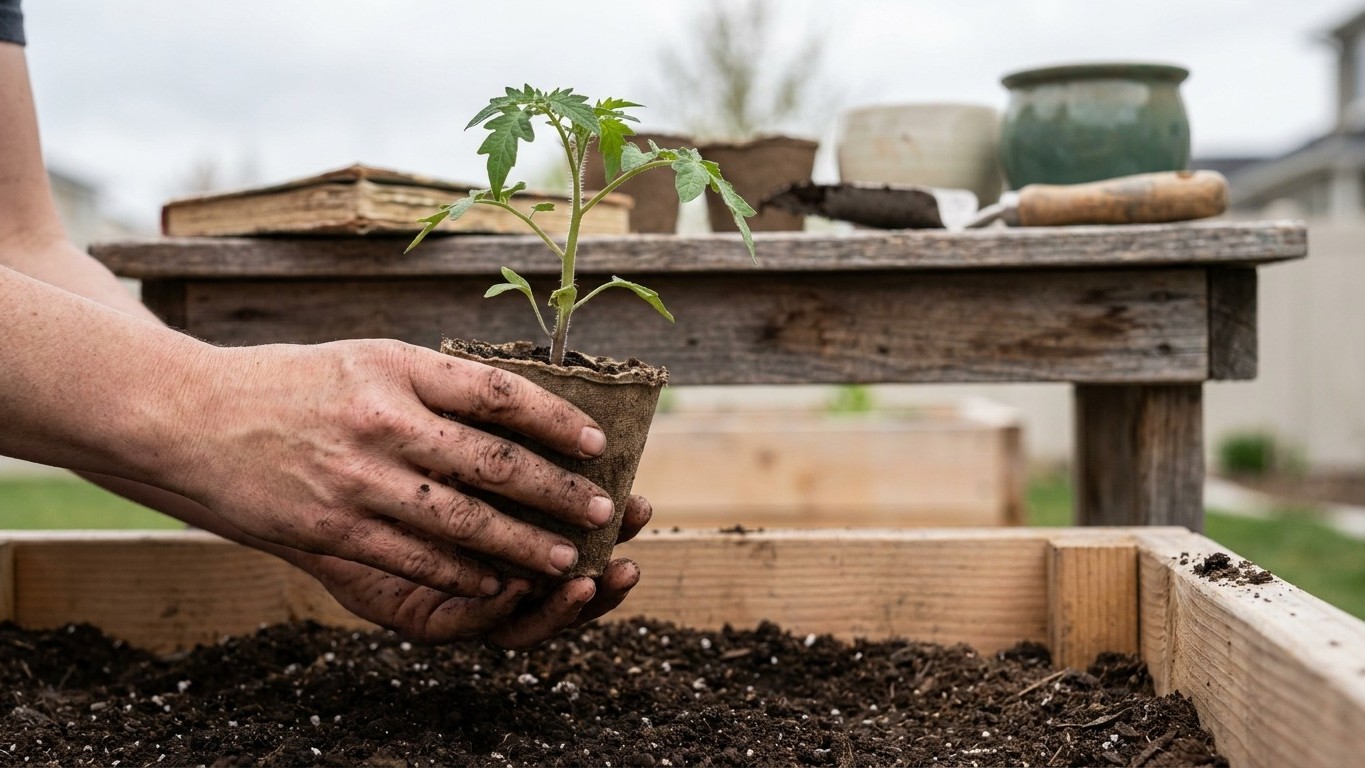
Explains how to count Utah tomato transplant dates from Salt Lake City’s NOAA frost window and why timing shifts by elevation and region.
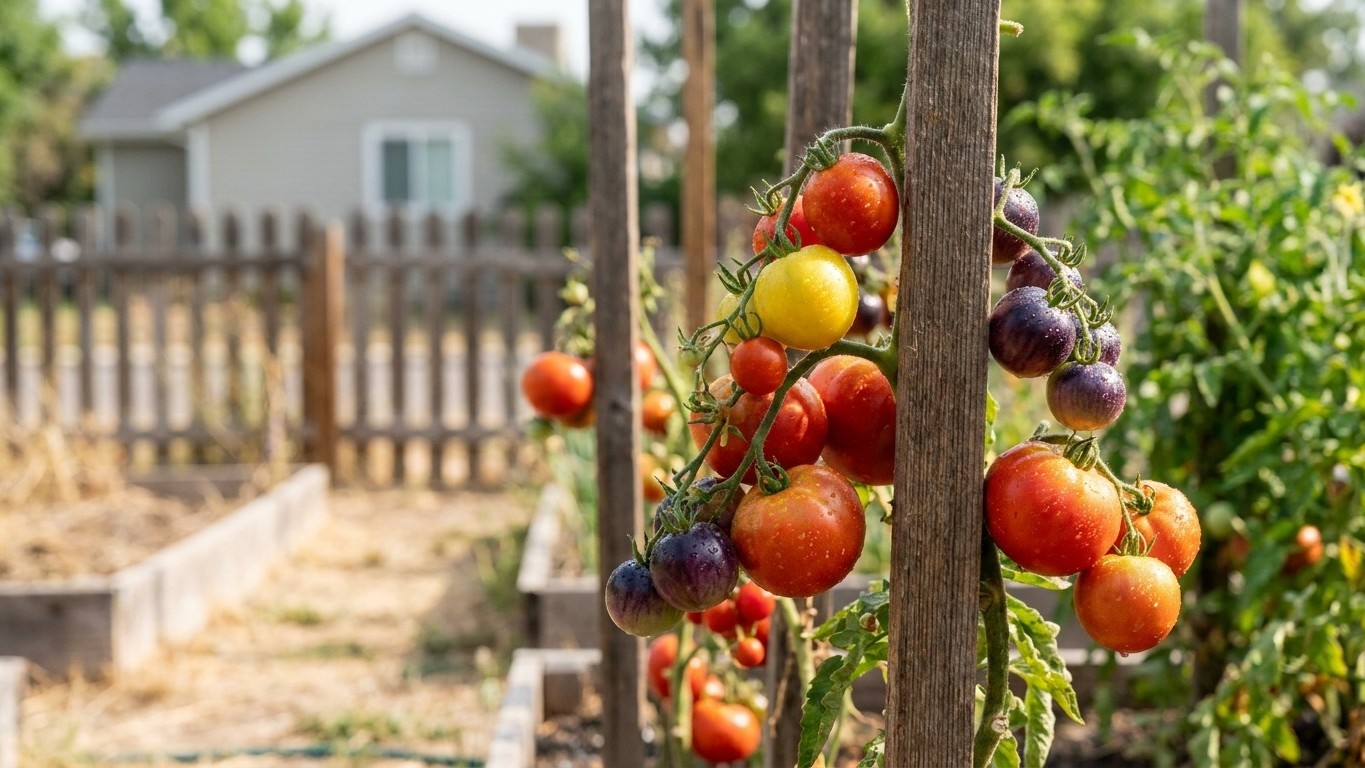
Utah’s growing season near Salt Lake City runs roughly 172 to 200 days, and these tomato varieties from 55 to 78 days ripen inside that window.
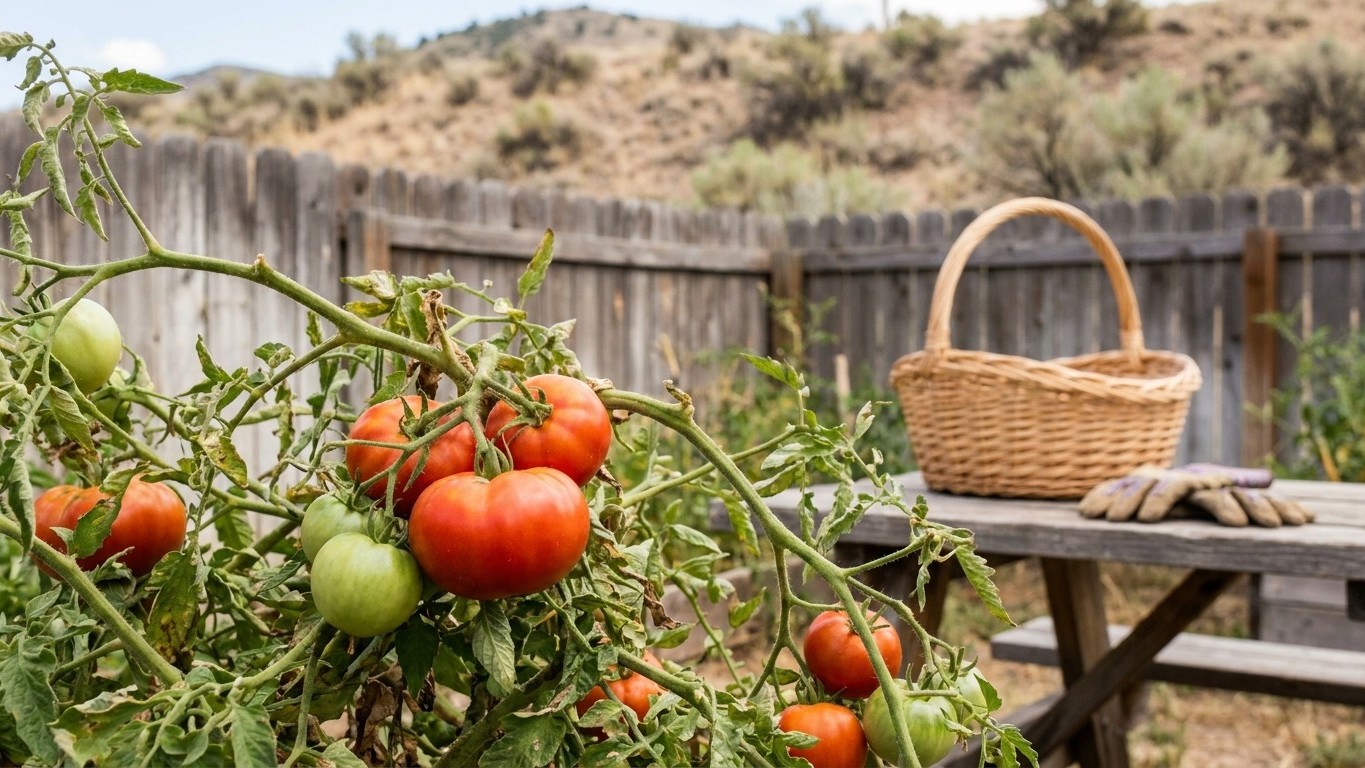
Utah gardeners can use Salt Lake’s April 12-29 frost window from NOAA to time tomato transplants, pick suited varieties, and manage common local problems.