When to Lift Parsnips in Missouri, and How Long They Really Keep
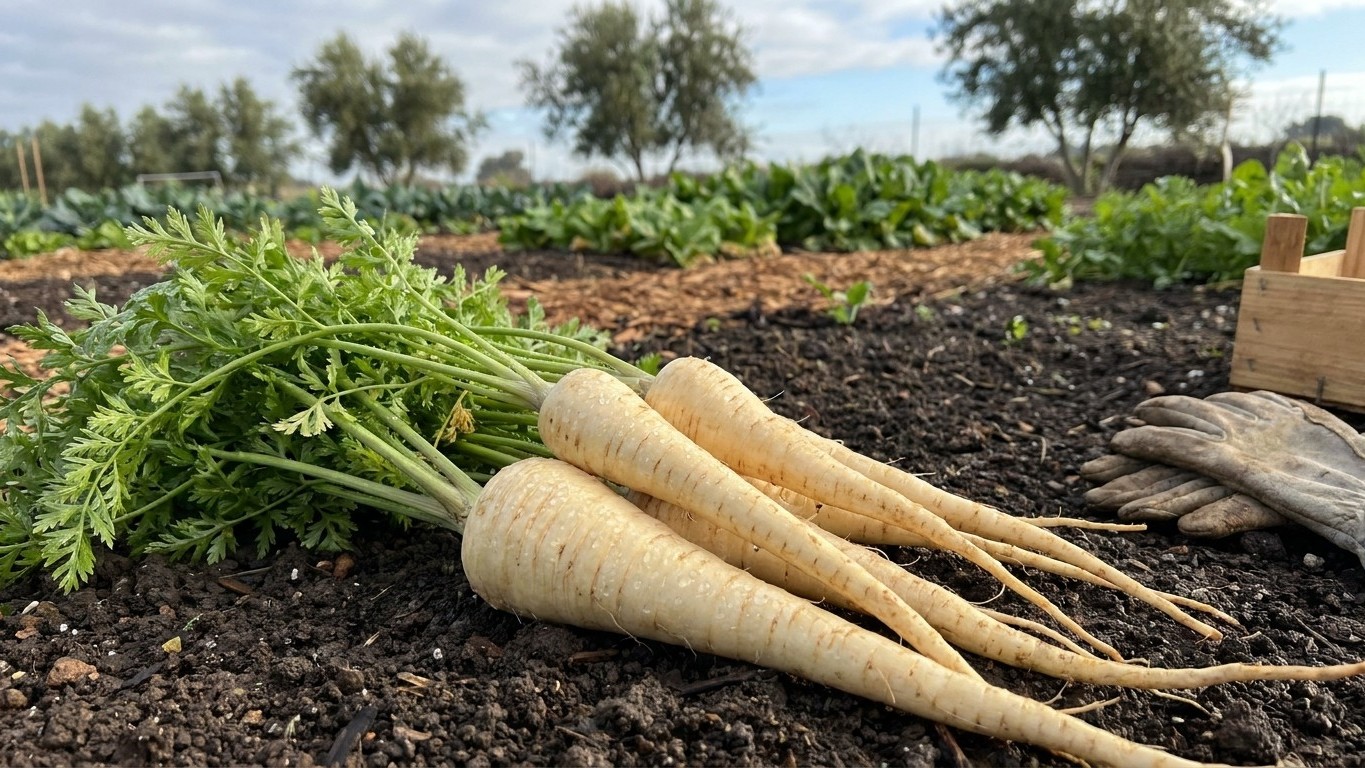
Lift parsnips in Missouri after the ground has had several frosty weeks. That means mid-to-late November at the earliest, and you can keep digging…
Home and garden notes, season by season
Everything we have worked out for Missouri: what to plant and when, which varieties finish in time, the pests that actually turn up here, and the jobs that pay off month by month. We also cover the rest of the property, from lawns and soil to home care and energy, because a garden rarely stops at the vegetable bed.
The numbers first, because everything else follows from them. Measured at the weather station in Kansas City, the last spring freeze runs April 6 to April 20 and the first fall freeze runs October 18 to October 29, USDA zones 5b-7b, 4,194 growing degree days in the year.
Garlic does well: 21.8 weeks below 40 °F, comfortably past the six it needs to form a proper head.
Elsewhere on the property in Missouri: the pests that turn up here.
Figures from NOAA's 1991-2020 climate normals. A state is not one climate: elevation, a large lake or the coast can move these dates by two weeks either way, so check your own county with the extension service before you spend money.
Lift parsnips in Missouri after the ground has had several frosty weeks. That means mid-to-late November at the earliest, and you can keep digging…
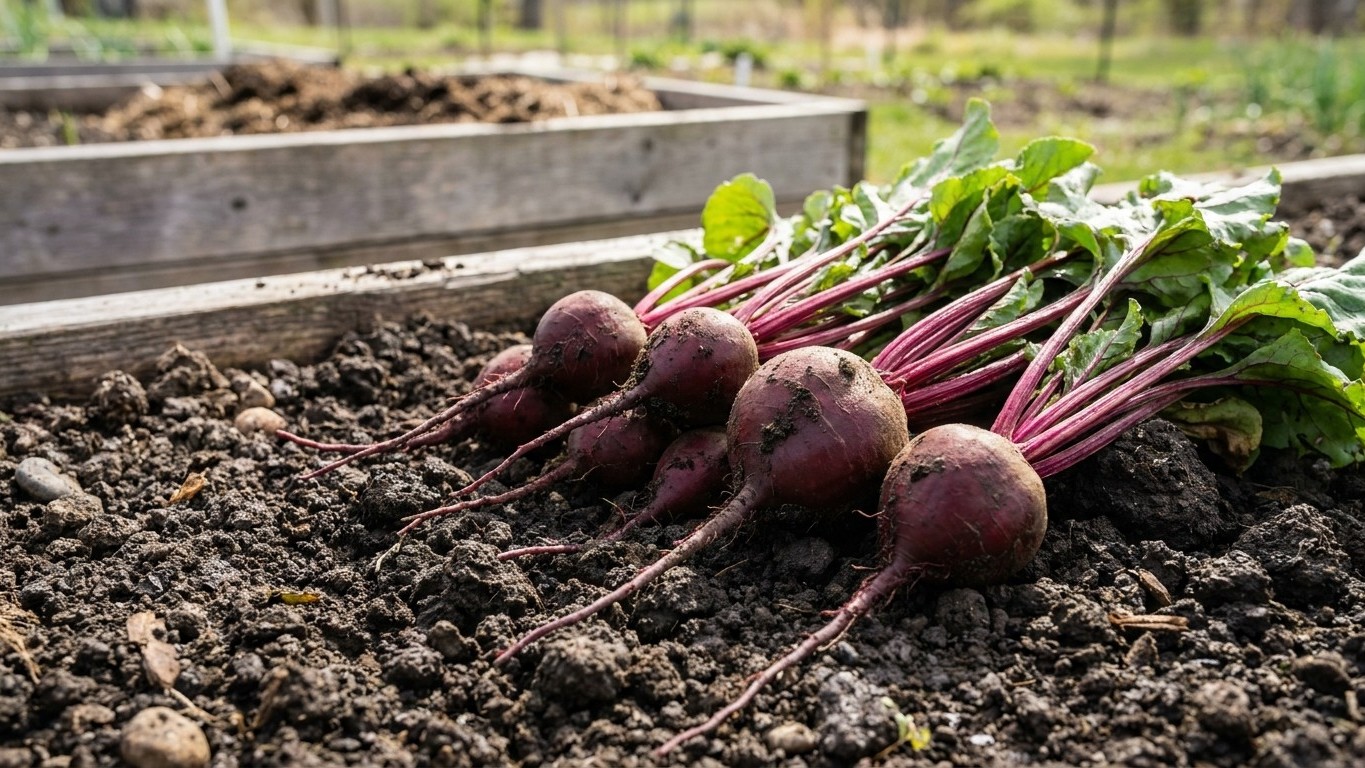
Pull beets when the shoulders reach the size you want to eat, about 60 to 80 days after seeding.
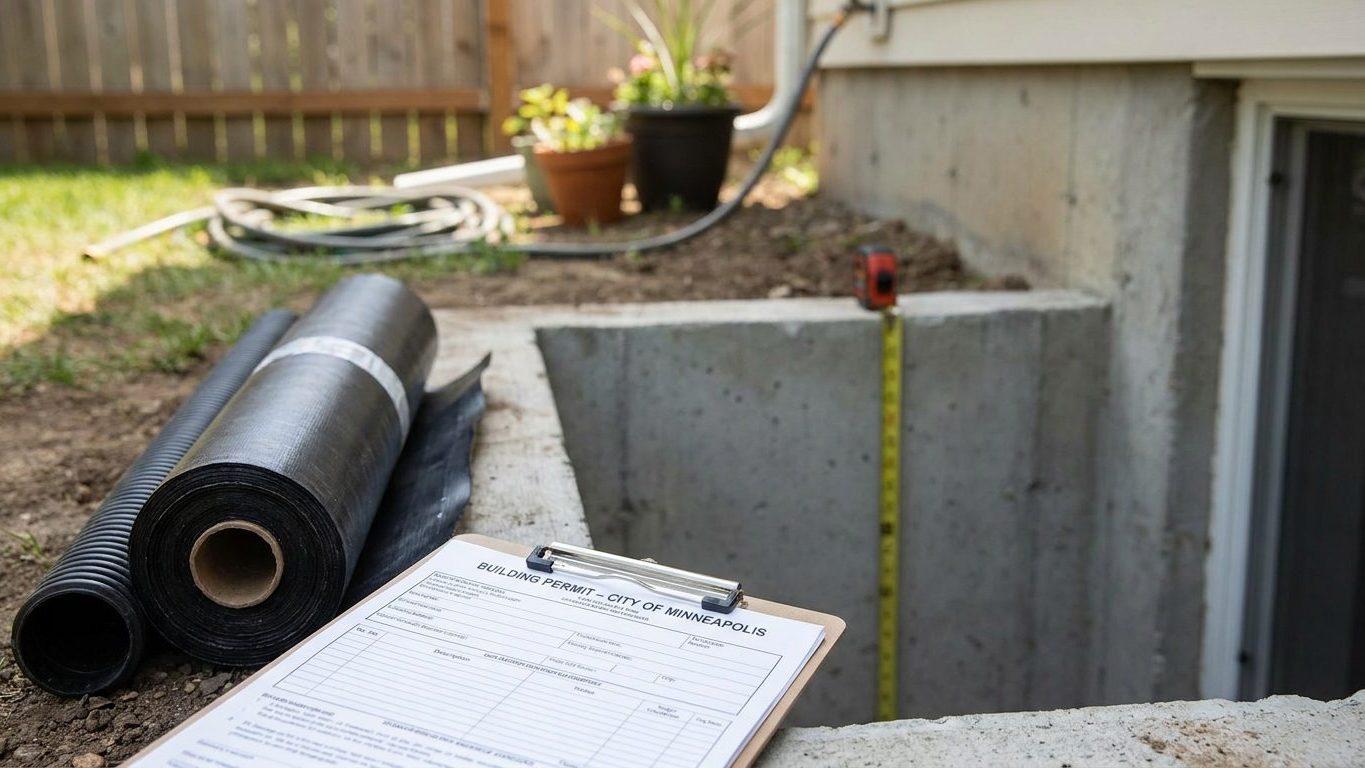
Missouri has no statewide basement code, so permits, ceiling height, egress windows and vapor retarder rules depend on your local building department.
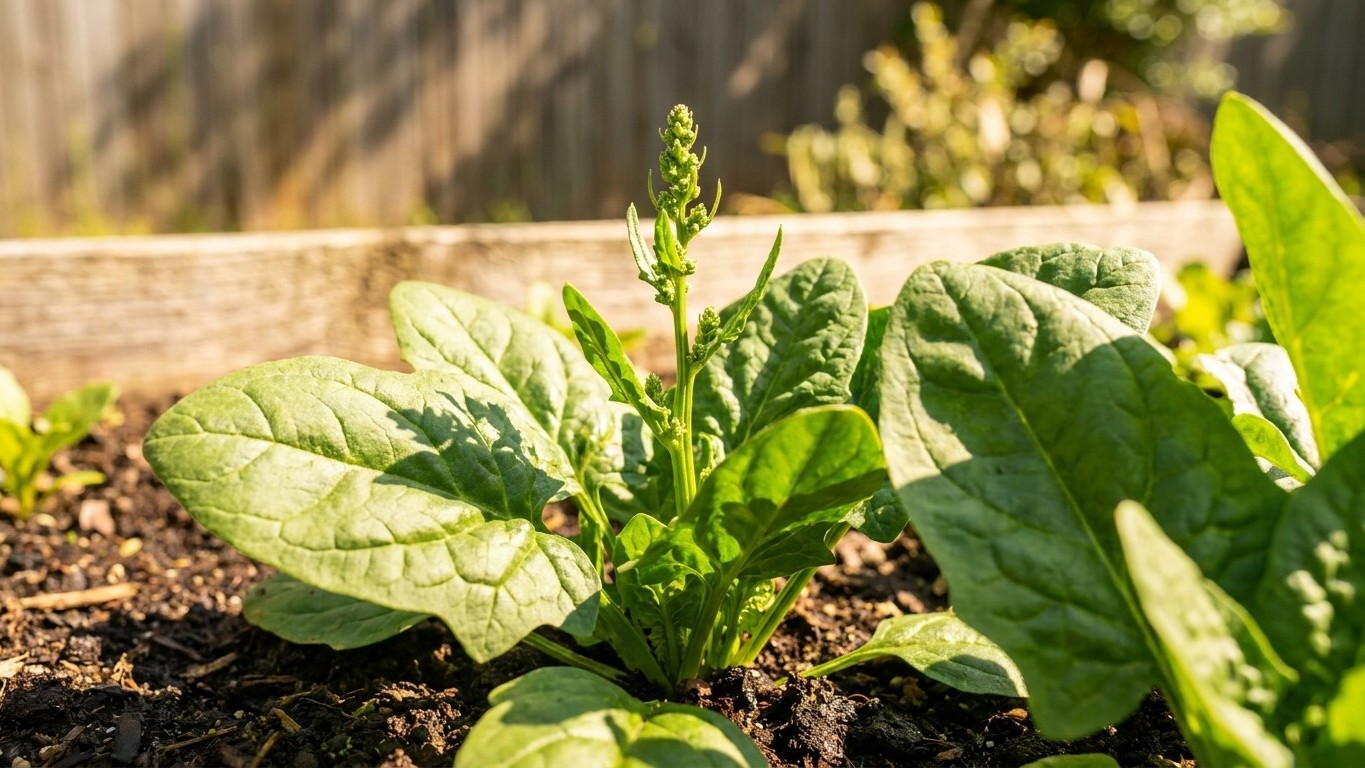
Spinach in Missouri gets eaten by chewing insects, sap-feeding insects, slugs and a few larger animals. Each shows up on its own schedule.
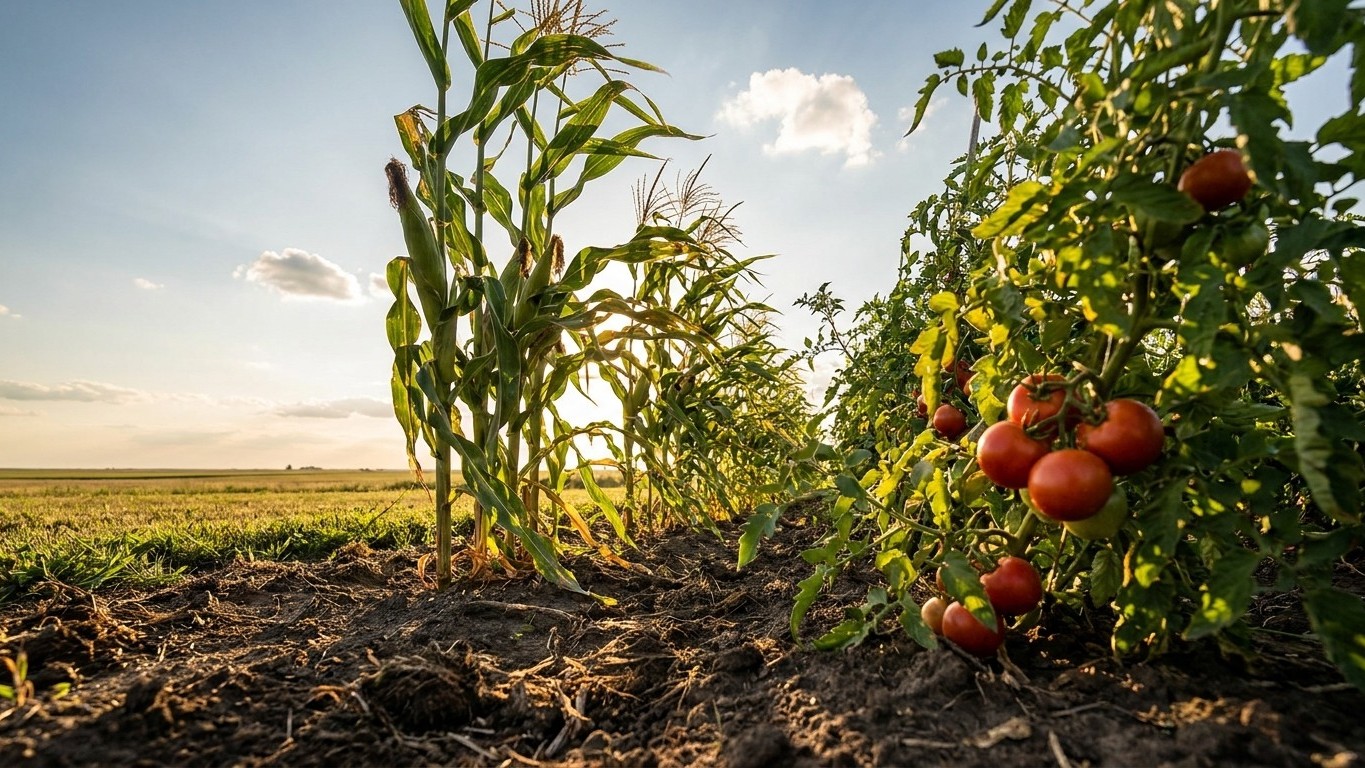
Sweet corn in Missouri gets eaten at three moments: as seed and seedling in cool spring soil, as leaves unroll from the whorl in early summer, and at…
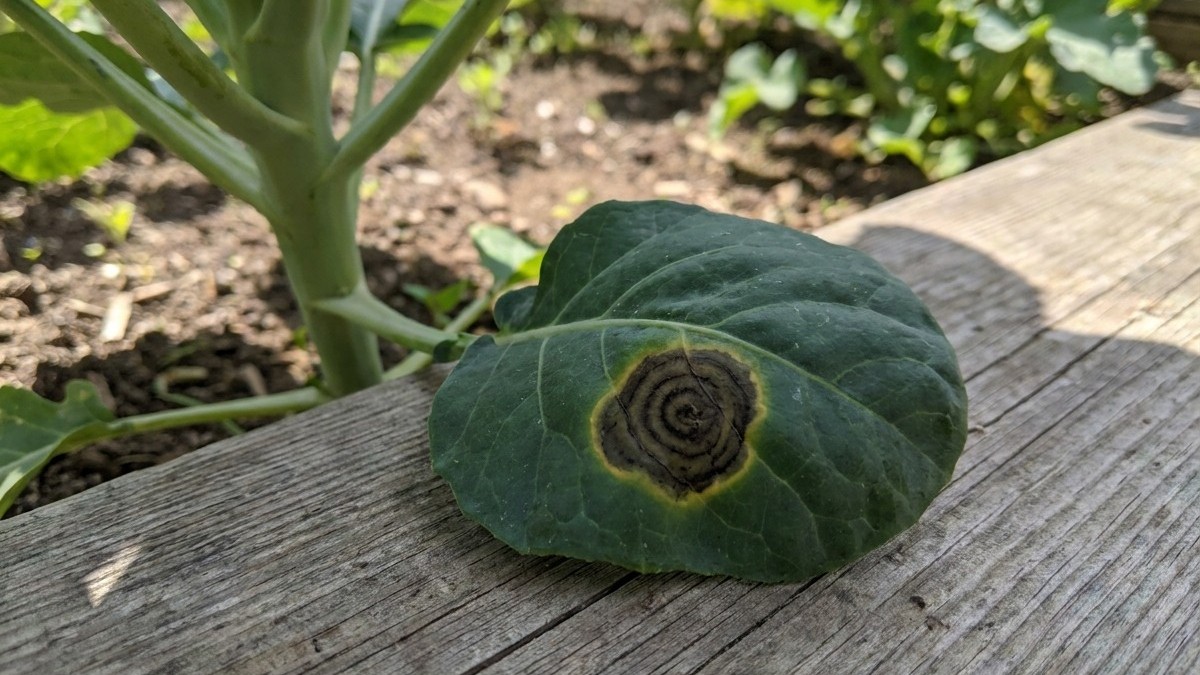
Squash bugs and cucumber beetles are the two insects Missouri pumpkin growers fight most, and both arrive early, while the vines are still small.
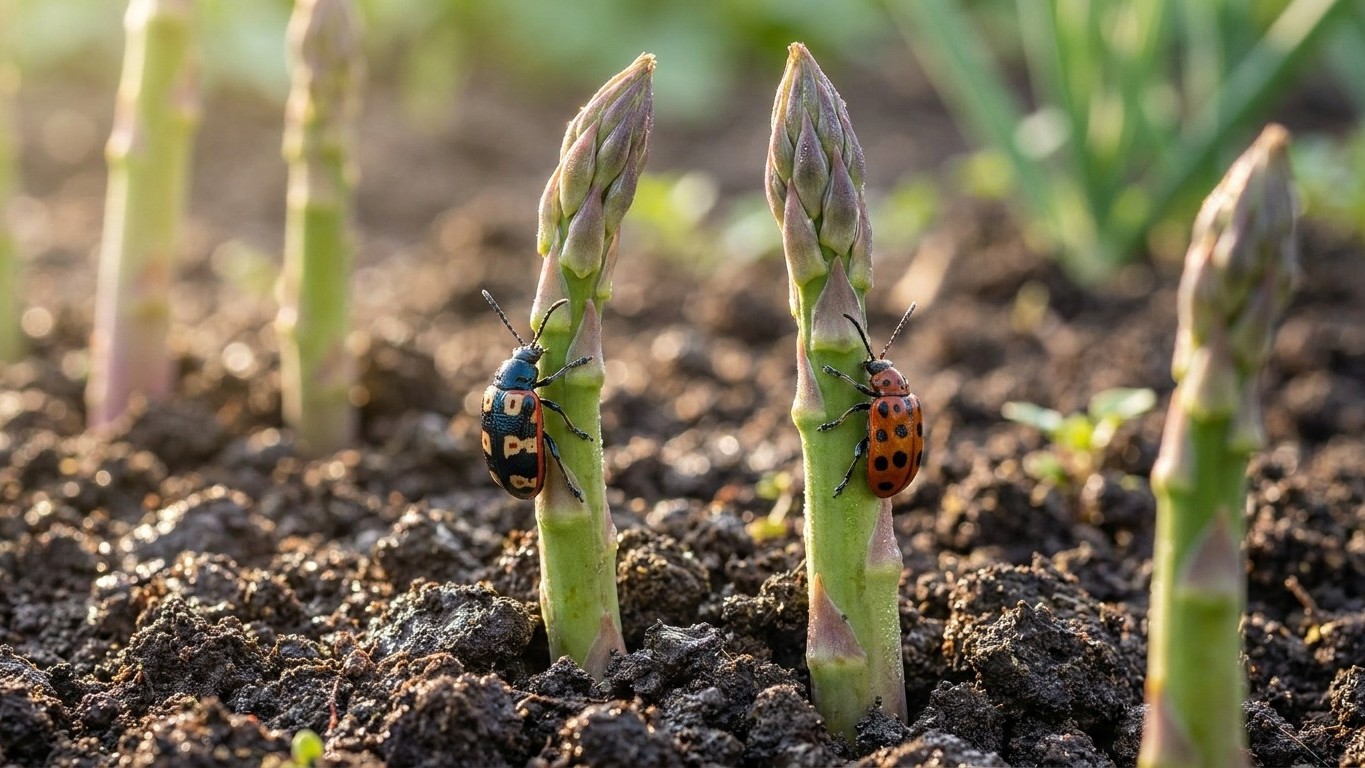
Stop cutting when most of the spears coming up are thinner than a pencil. That signal matters more than any date on the calendar.
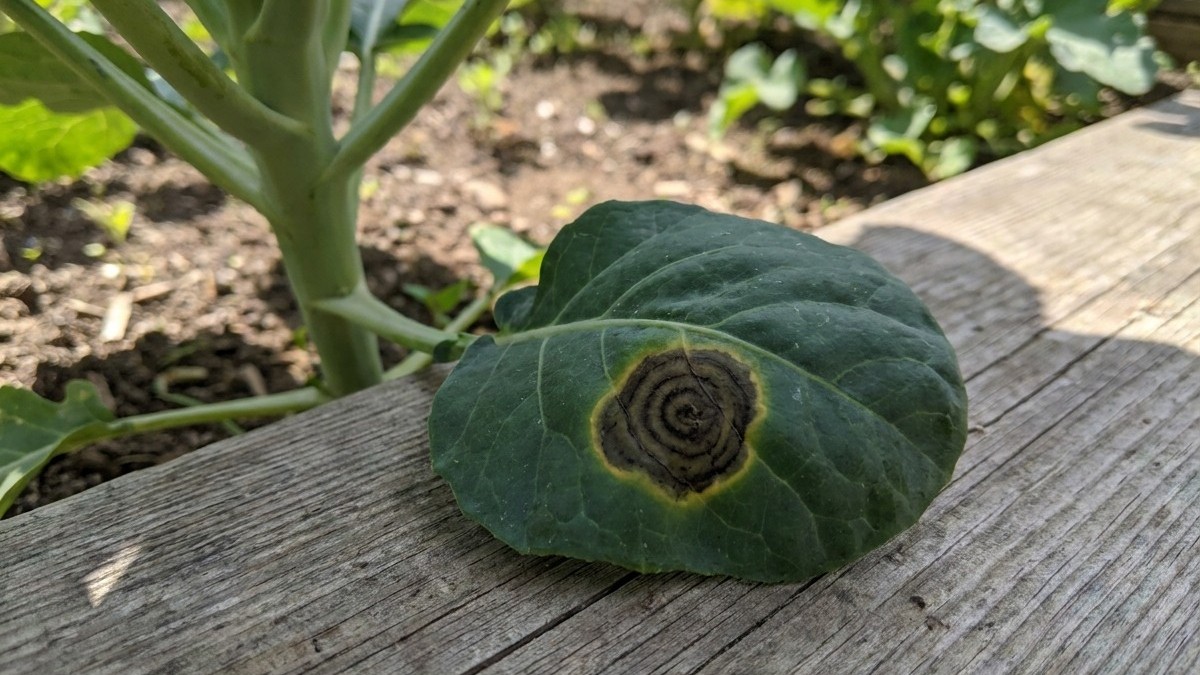
Cut a pumpkin when the rind is too hard to dent with a thumbnail, the color has set evenly, and the stem has turned woody.
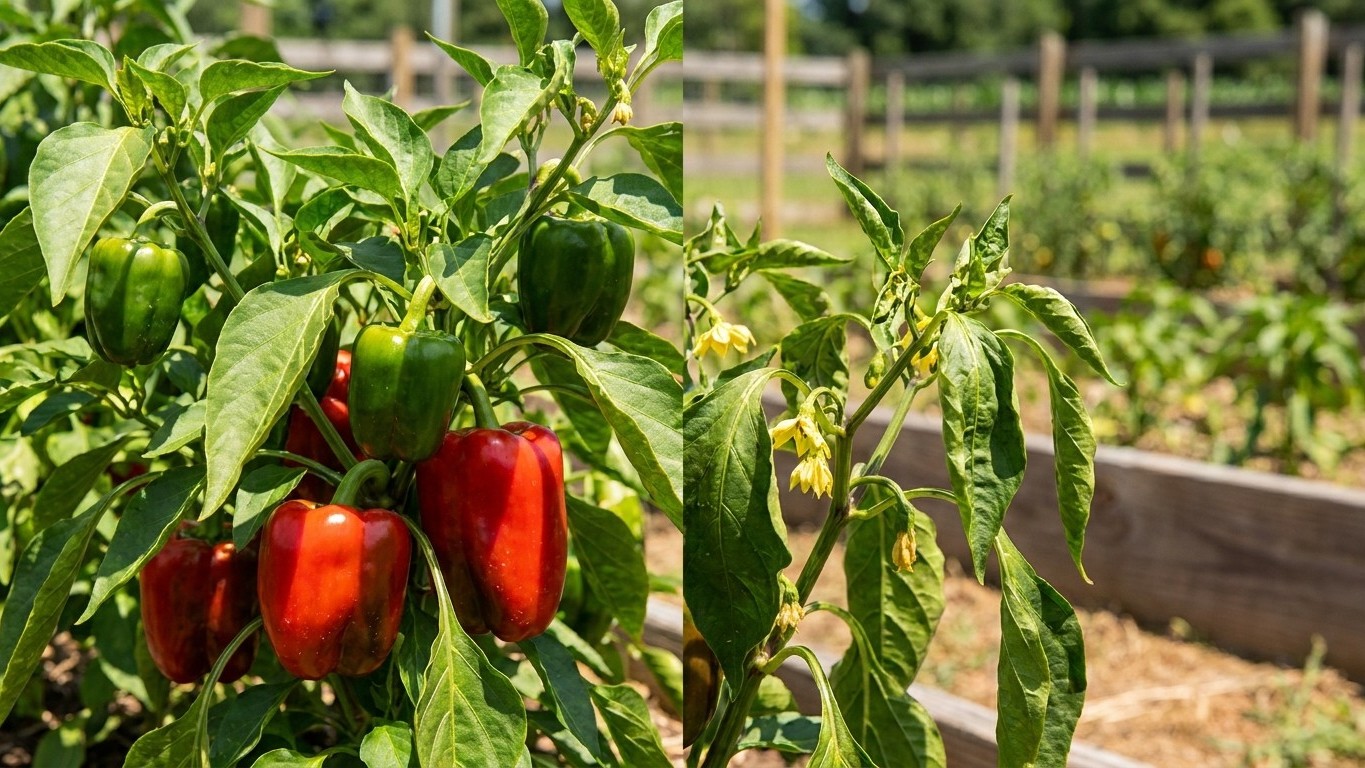
Most Missouri peppers are ready about 70 to 85 days after transplanting, according to Clemson Cooperative Extension.
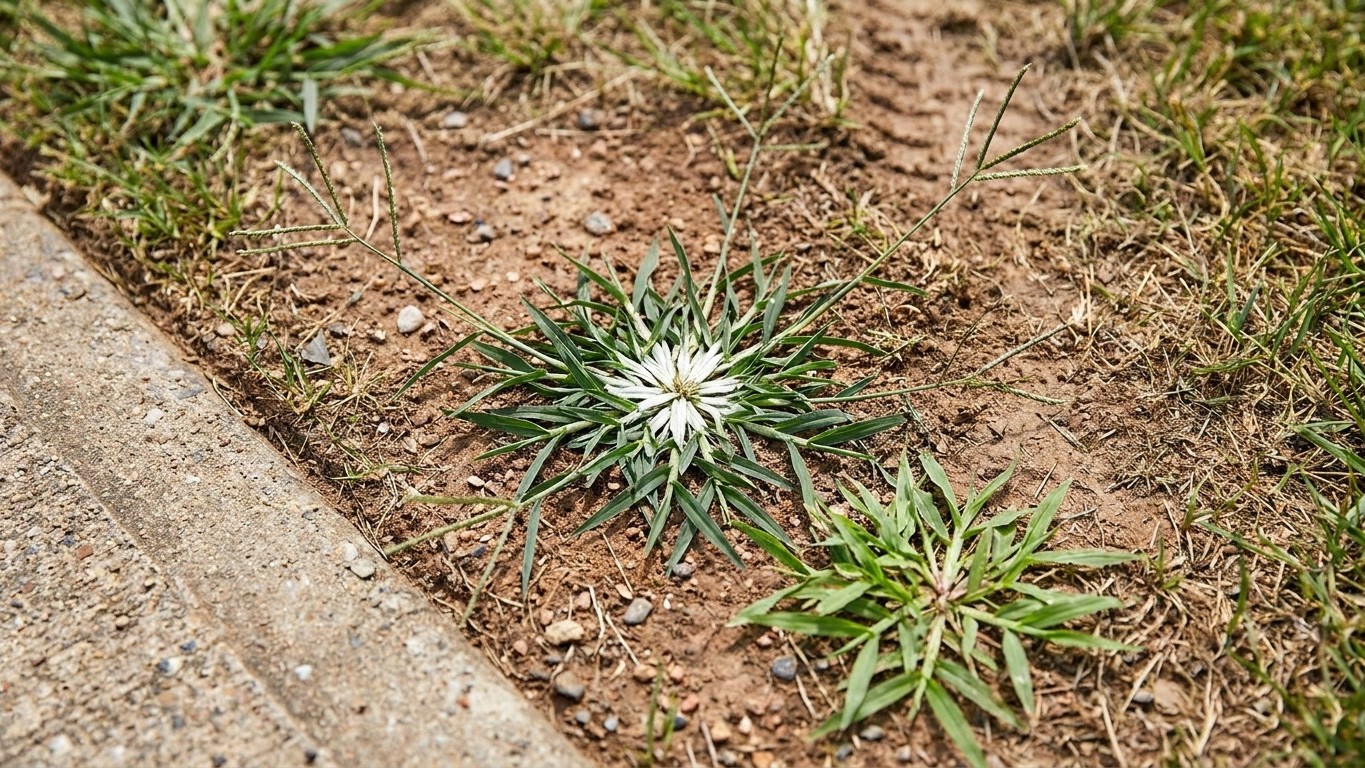
Missouri sits in the transition zone, so the answer depends on which grass you have. Tall fescue wants 3 to 3.5 inches.