Seasoning Firewood: Why Green Wood Steals Your Heat
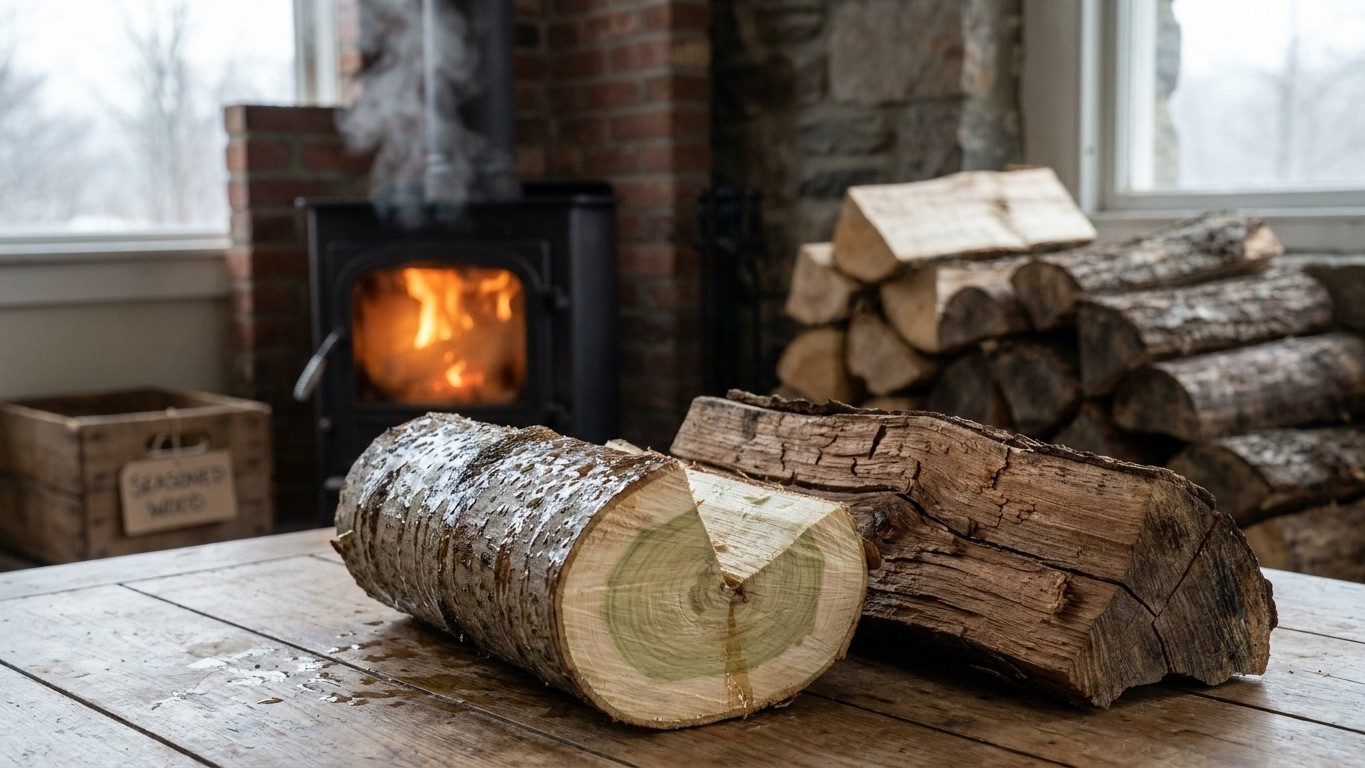
Green wood robs you of heat because up to half its weight is water, and every ounce of that moisture has to boil off inside your stove or fireplace…
Home and garden notes, season by season
Green wood robs you of heat because up to half its weight is water, and every ounce of that moisture has to boil off inside your stove or fireplace…
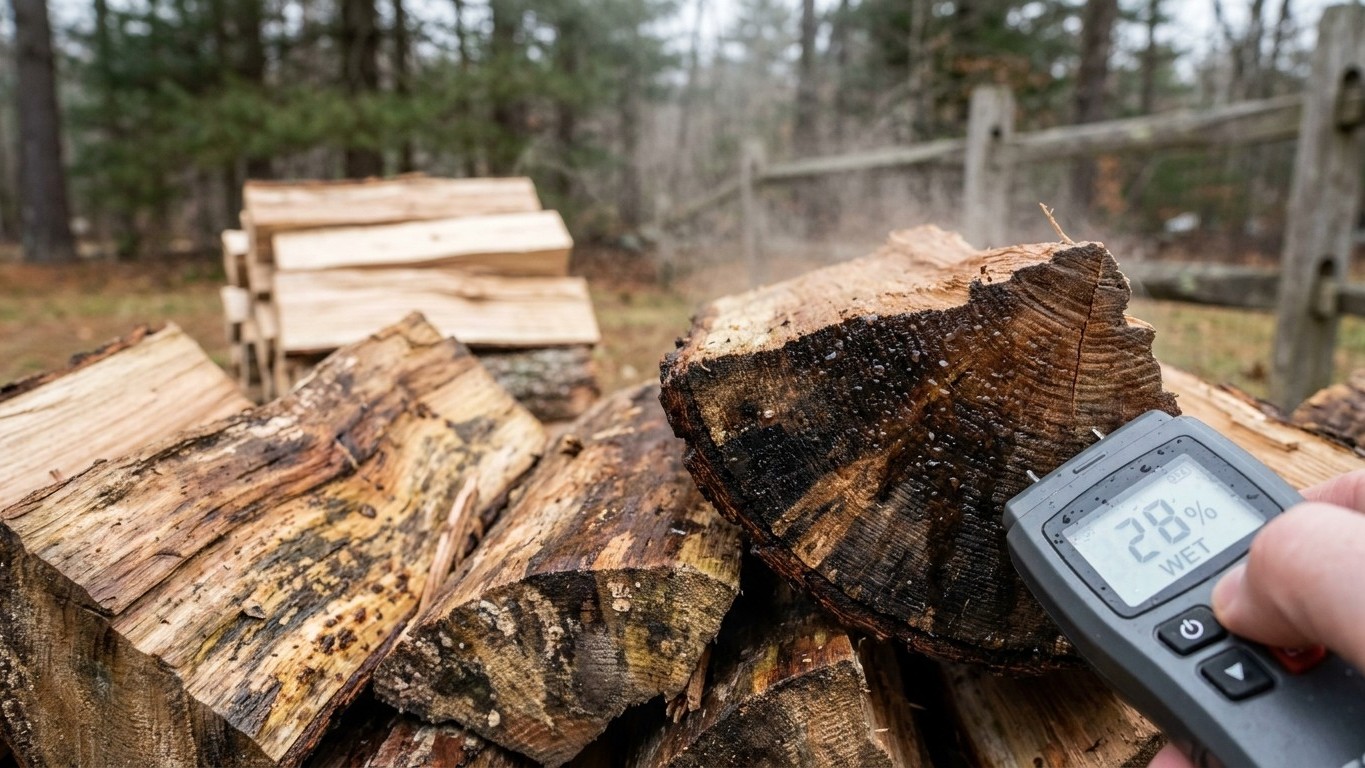
Nine times out of ten, a fire that dies within ten minutes is starving for one of three things: dry fuel, oxygen, or a hot enough base to keep burning.
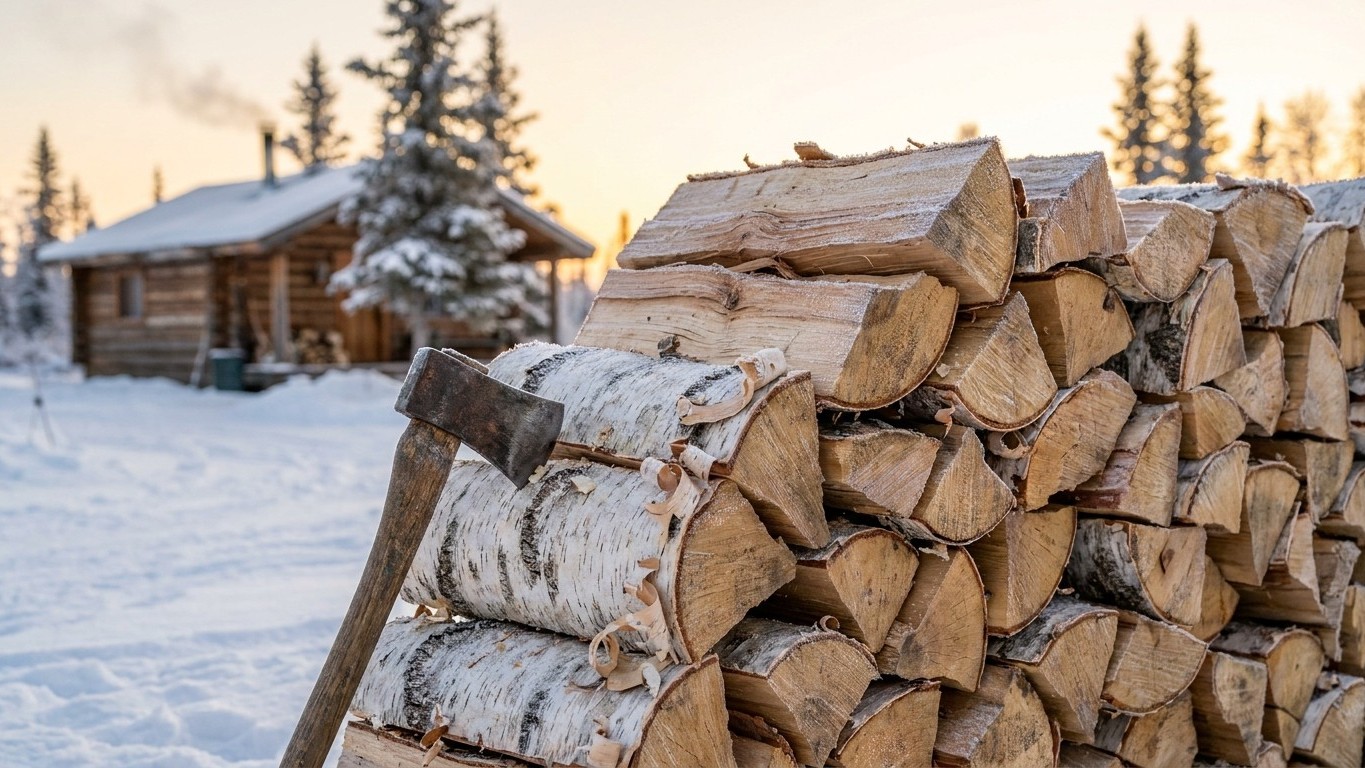
Birch wins in most of Alaska, hands down. But the state’s geography splits into three distinct firewood realities: the deep-freeze interior around…
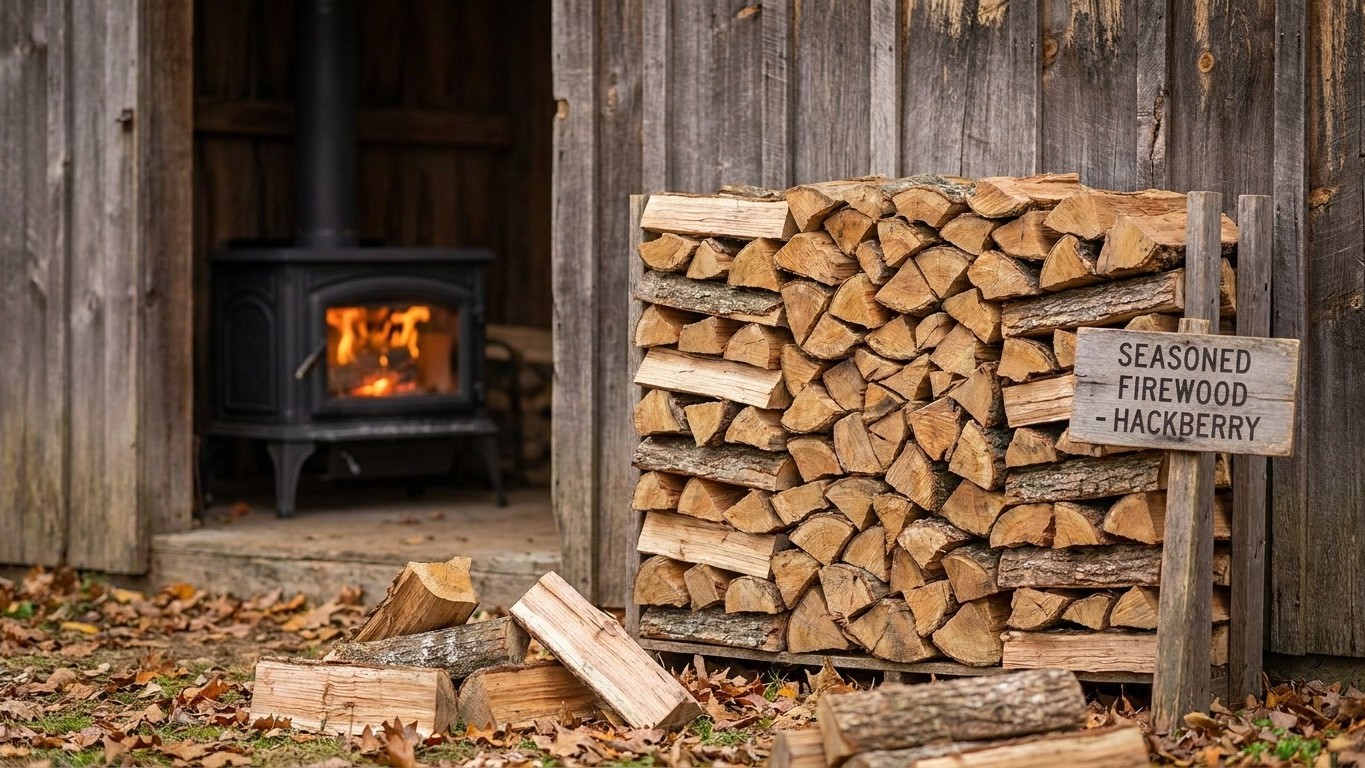
Hackberry burns hot enough to heat a home through a Midwest winter, splits easier than most hardwoods once it’s dry, and produces a clean, low-spark fire…
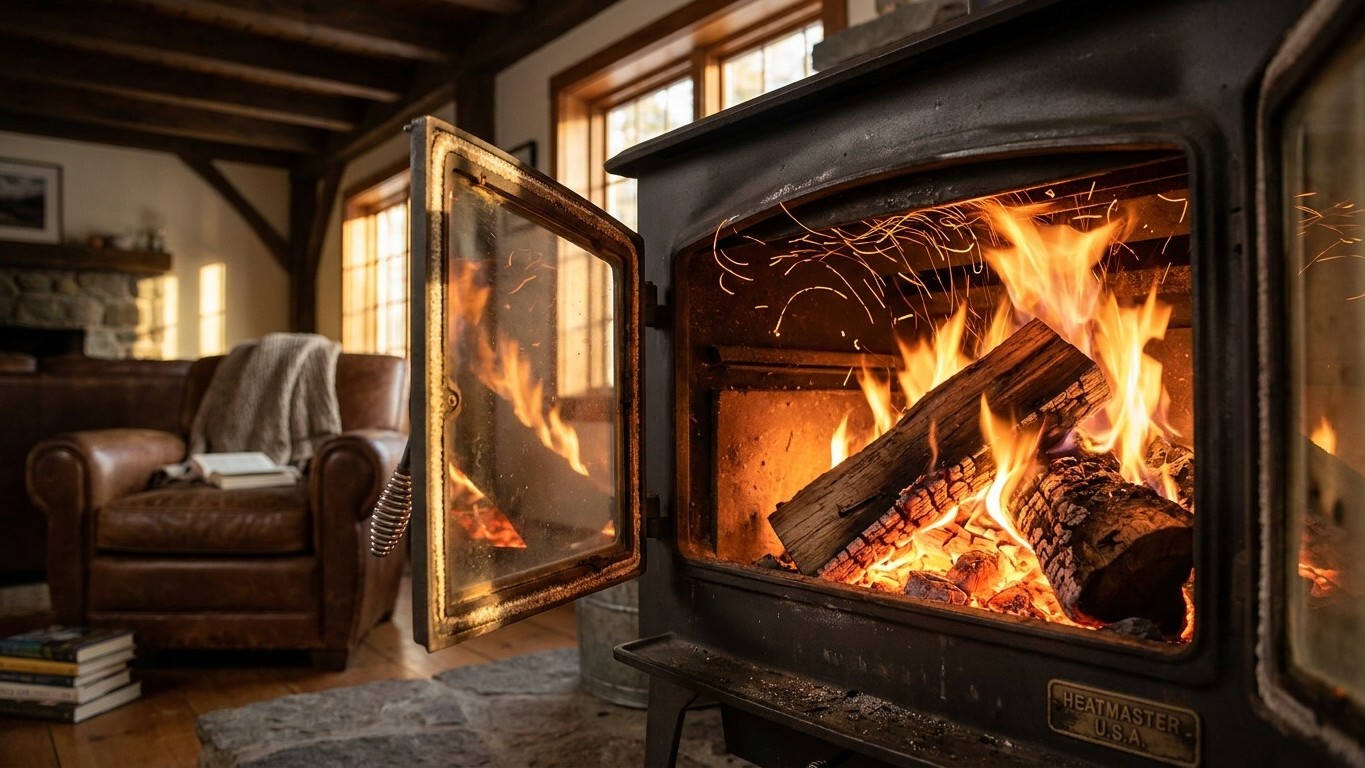
Mulberry burns hot, throws sparks like a Fourth of July display, and produces very little smoke once properly seasoned.
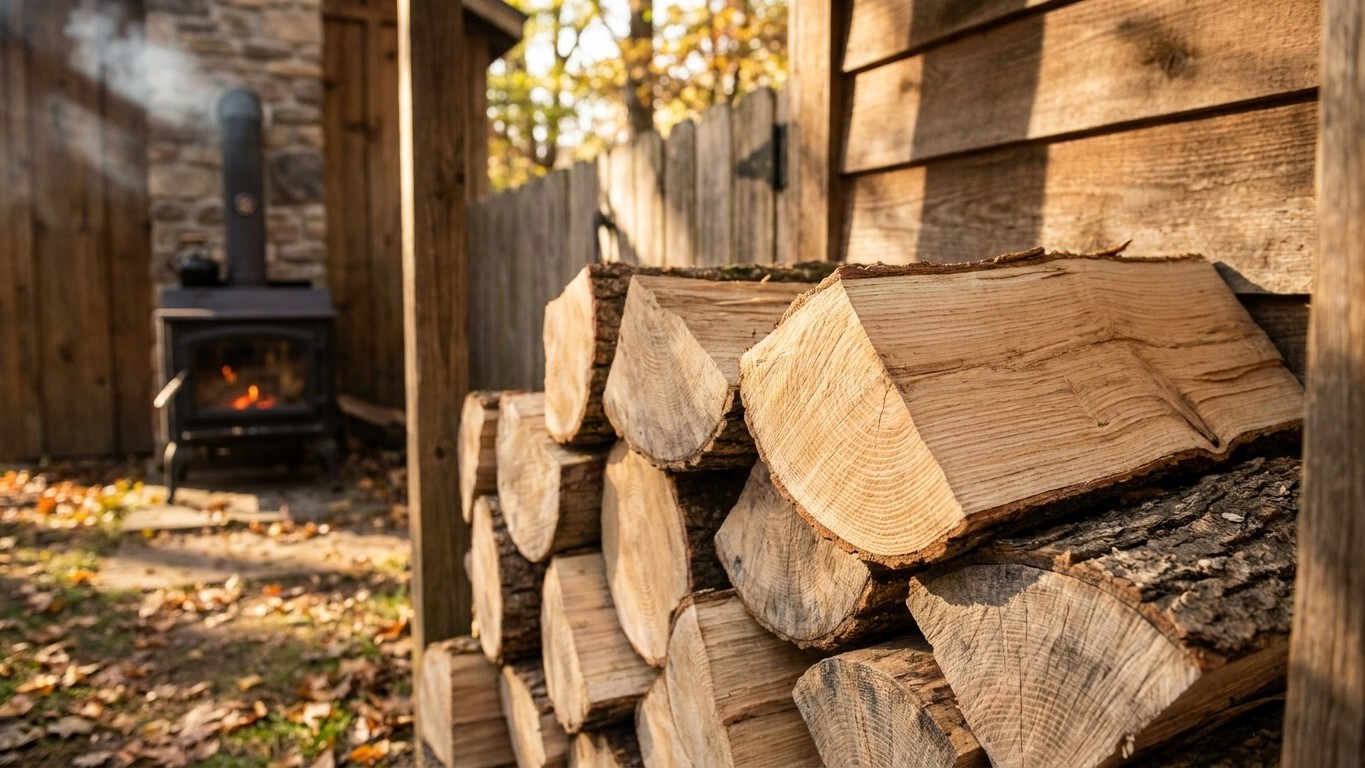
Bur oak burns hot, clean, and steady once it’s properly seasoned, putting it in the same high-performance tier as white oak and hickory.
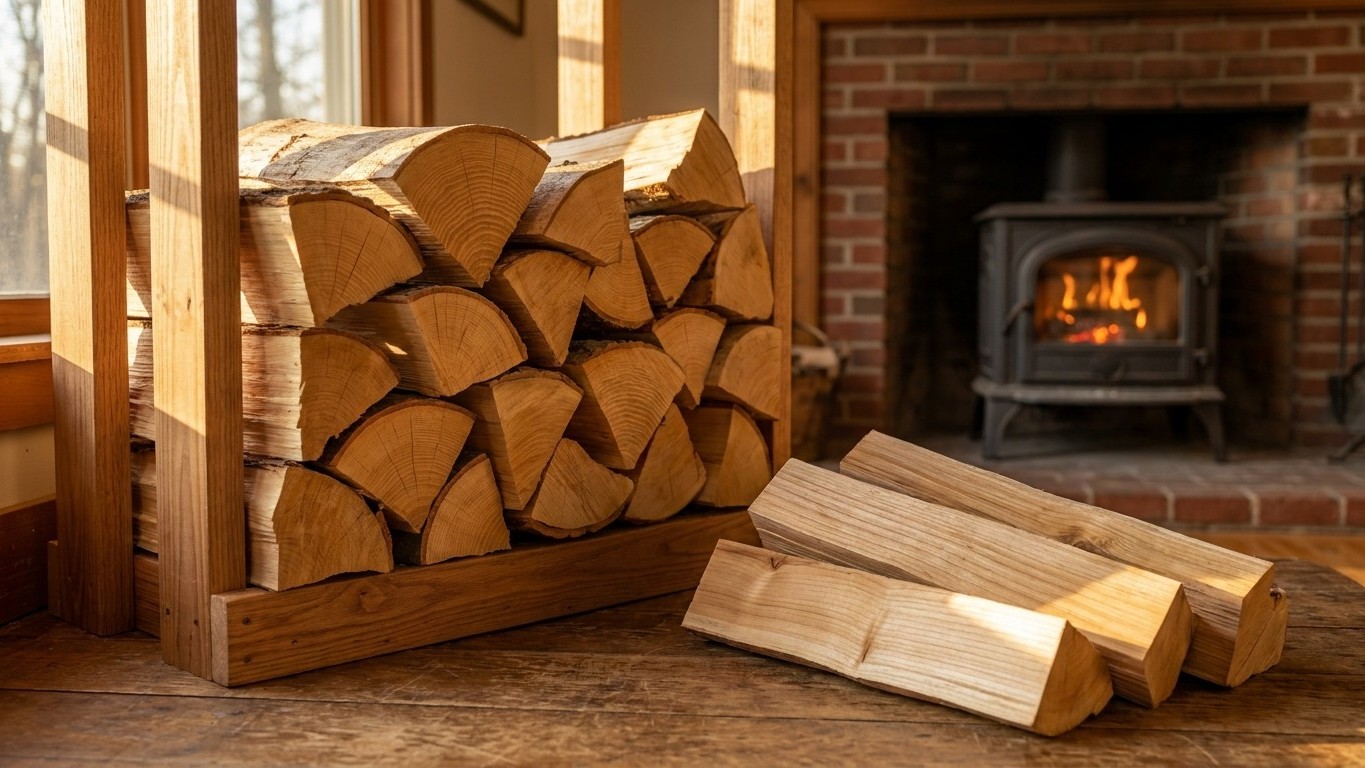
Sugar maple burns hot, clean, and steady, putting out roughly 24 million BTUs per cord once properly seasoned.
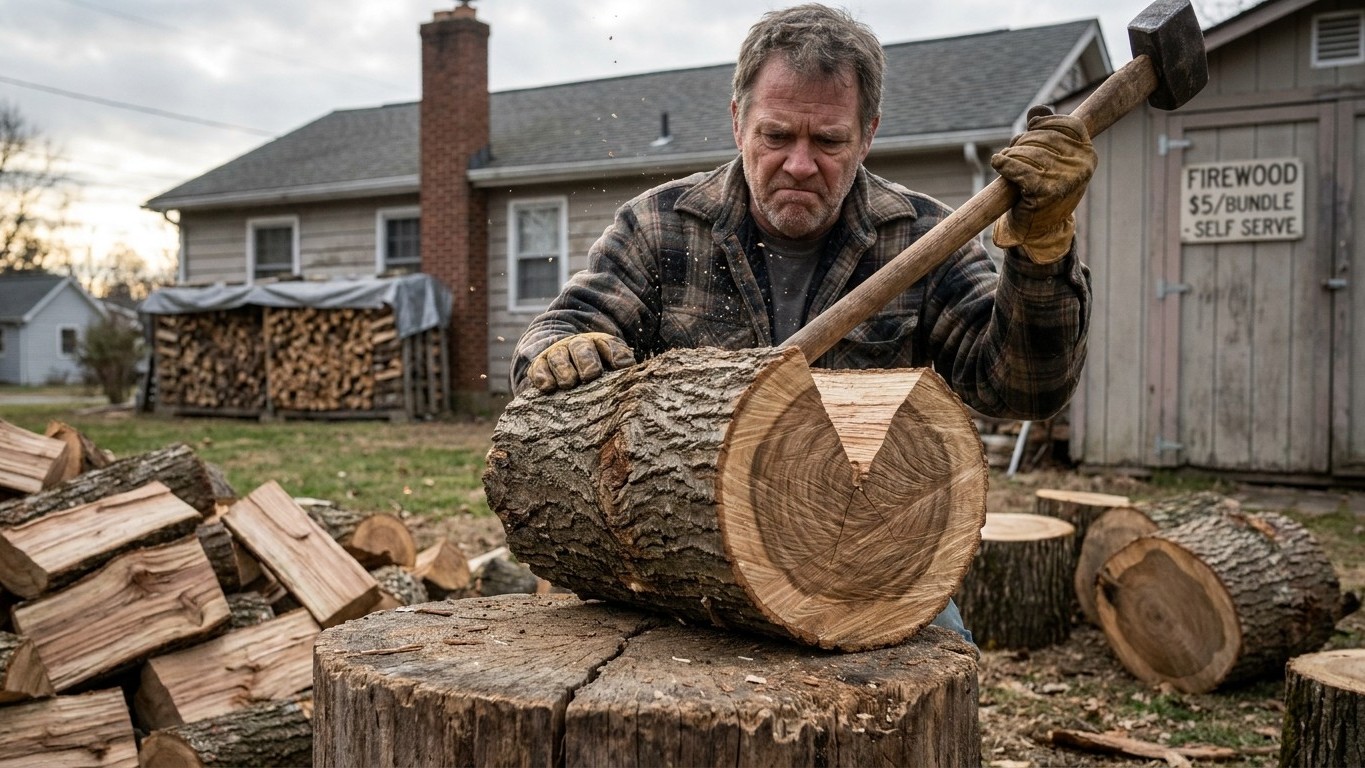
Elm firewood burns with moderate heat, moderate smoke, and almost no snap or crackle, but the real story with elm isn’t what happens in the firebox.
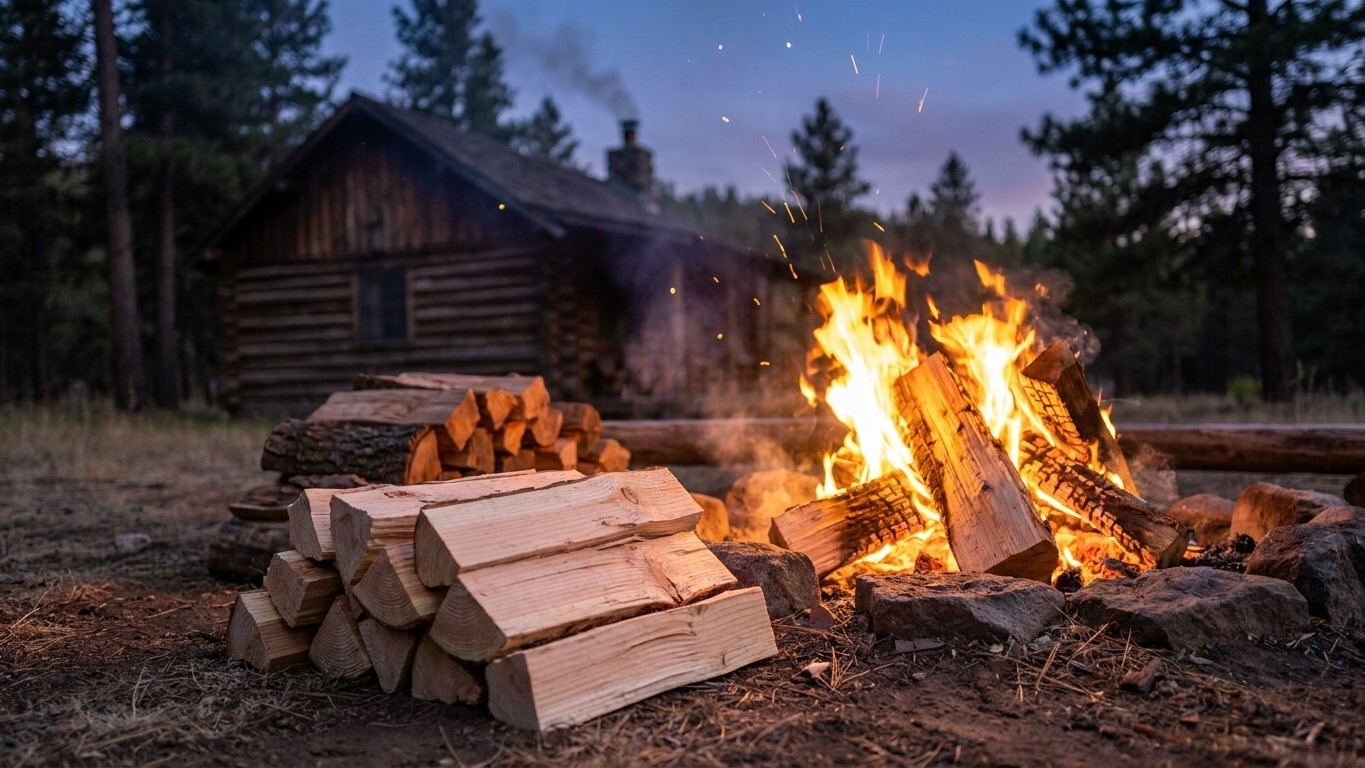
Ponderosa pine burns hot and fast, but it won’t hold a coal bed like oak or hickory, and its resin content means more pops, more sparks, and a real…
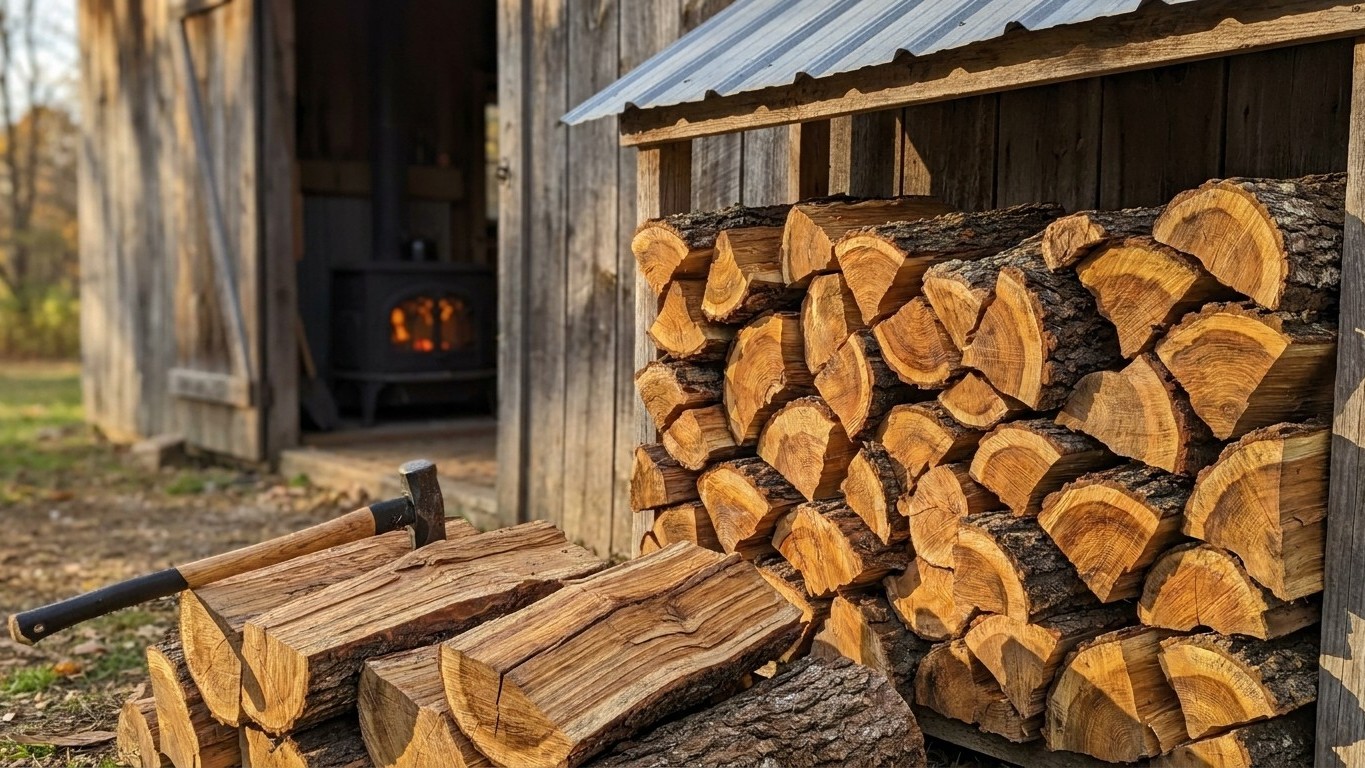
Honeylocust burns hot, splits with a bit of a fight, and throws off fewer sparks than you’d expect from a tree covered in thorns.